Olivia Sant

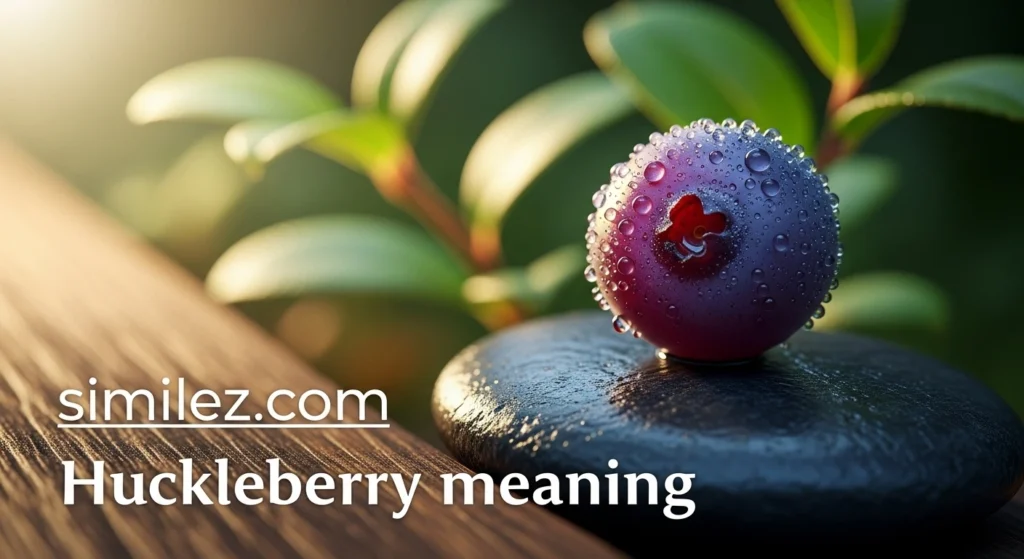
Huckleberry meaning

Huckleberry meaning

Imagine someone tipping their hat and saying, “I’m your guy,” but instead of those plain words, they use a curious phrase that sounds like it came out of a dusty old Western novel. That’s where this term comes in. It’s short, slightly old-fashioned, and surprisingly rich in meaning. At first glance, it looks like it […]

Huckleberry meaning Read More »

How Do You Mean

Understanding the Meaning of “How Do You Mean?” (Complete Guide)

Language is full of small phrases that carry big confusion when misunderstood. One such expression often used in spoken English is “how do you mean”, usually appearing in conversations when someone wants clarification, deeper explanation, or a correction of what was just said. It may sound simple, but its usage can change depending on tone,

Understanding the Meaning of “How Do You Mean?” (Complete Guide) Read More »

It's vs its

It’s vs its

You’re writing a quick message on your phone maybe replying to a friend, drafting an email, or posting a thought online. Everything flows smoothly until you pause on a single word: its or it’s. One tiny apostrophe suddenly feels like a trapdoor in the middle of your sentence. You hesitate, delete, rewrite, second guess yourself…

It’s vs its Read More »

Prove vs proof

Prove vs proof

Imagine you’re standing in a courtroom, heart pounding, watching a lawyer present argument after argument. The words sound convincing, the logic feels tight but then comes the turning point: evidence. Suddenly, everything shifts. What was claimed must now be proven, and what stands firm becomes proof. This subtle yet powerful distinction plays out not just

Prove vs proof Read More »

If so vs if yes

If so vs if yes

You’re in the middle of an important conversation. Maybe it’s a job interview, a legal discussion, or even a simple chat with a colleague. Someone asks a question that requires confirmation. You respond but hesitate. Do you say “if yes” or “if so”? It feels like a small choice, almost trivial. Yet somehow, it carries

If so vs if yes Read More »

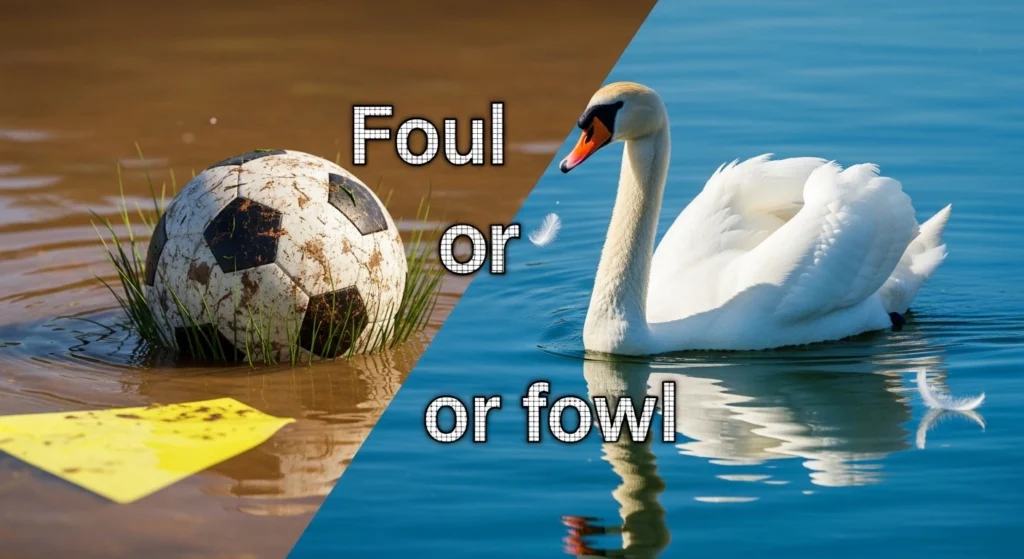
Foul or fowl

Foul or fowl

English language is full of words that look or sound similar but carry completely different meanings. One such classic confusion happens when people mix up two commonly mistaken terms in writing, speech, and even exams. One refers to something negative like misconduct or wrongdoing, while the other belongs to the world of birds and poultry.

Foul or fowl Read More »

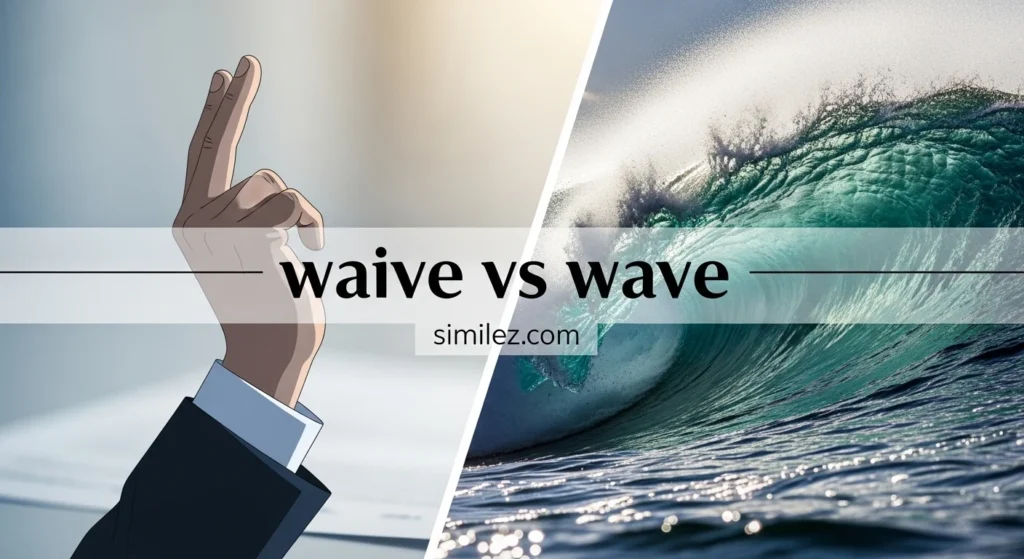
waive vs wave

waive vs wave

You’re standing in a crowded airport. A friend is leaving for another country. You lift your hand and smile maybe you wave goodbye. At the same time, somewhere nearby, another traveler is speaking to an airline desk agent, asking if they can waive an extra baggage fee. Two completely different moments. Two words that sound

waive vs wave Read More »

Years of experience vs years experience

Years of experience vs years experience

You’re updating your résumé late at night, cursor blinking after a phrase that suddenly feels uncertain: “10 years experience” or “10 years of experience”? It looks like a small detail almost trivial but something tells you it matters. Maybe it’s the difference between sounding polished and careless, confident and unsure. In professional communication, tiny distinctions

Years of experience vs years experience Read More »

i've added vs i added

I’ve added vs i added A Small Difference That Changes Everything

You’re typing a message maybe a quick update to a colleague or a casual note to a friend. You pause for a moment, fingers hovering over the keyboard: “I’ve added the file”… or “I added the file.” Both feel right. Both sound natural. Yet something subtle shifts depending on which one you choose. One feels

I’ve added vs i added A Small Difference That Changes Everything Read More »