
Fear is one of the strongest emotions humans experience—and one of the most vivid to describe in writing. That’s where similes for scary come in.
A simile is a figure of speech that compares two unlike things using words like “as” or “like.” Writers, students, poets, and everyday speakers use similes because they help readers see, feel, and imagine emotions more clearly. Instead of simply saying something is “scary,” a simile paints a picture that sticks in the mind.
In this in-depth guide, you’ll explore 18 powerful similes for scary, each carefully explained with meaning, emotional tone, ideal usage context, and at least five original example sentences—including casual, daily-use expressions. Whether you’re writing a story, improving creative essays, or enhancing figurative language skills, this list will give you expressive tools that truly resonate.
Scary as a Ghost in the Dark
Meaning: This simile compares fear to the sudden appearance of a ghost, emphasizing surprise and unease.
Emotional Tone: Eerie, suspenseful, unsettling
Best Usage Context: Storytelling, horror fiction, descriptive writing
Examples:
- The hallway was scary as a ghost in the dark, silent and watching.
- His whisper sounded scary as a ghost in the dark.
- The abandoned house felt scary as a ghost in the dark.
- Walking alone at night can feel scary as a ghost in the dark.
- Texting: “That noise outside was scary as a ghost in the dark 😬”
Scary Like a Nightmare You Can’t Wake From

Meaning: Describes fear that lingers and feels inescapable.
Emotional Tone: Psychological, intense, haunting
Best Usage Context: Poetry, emotional narratives, reflective writing
Examples:
- The situation was scary like a nightmare you can’t wake from.
- His thoughts spiraled, scary like a nightmare you can’t wake from.
- The memory stayed scary like a nightmare you can’t wake from.
- Exams felt scary like a nightmare you can’t wake from.
- Daily use: “This week is scary like a nightmare I can’t wake from.”
Scary as a Shadow That Follows You
Meaning: Represents constant, lingering fear.
Emotional Tone: Suspenseful, ominous
Best Usage Context: Storytelling, metaphor-rich essays
Examples:
- The fear was scary as a shadow that follows you.
- Guilt can be scary as a shadow that follows you.
- His past mistakes felt scary as a shadow that follows you.
- The silence grew scary as a shadow that follows you.
- Casual: “That thought is scary as a shadow following me all day.”
Scary Like a Door Creaking Open at Midnight
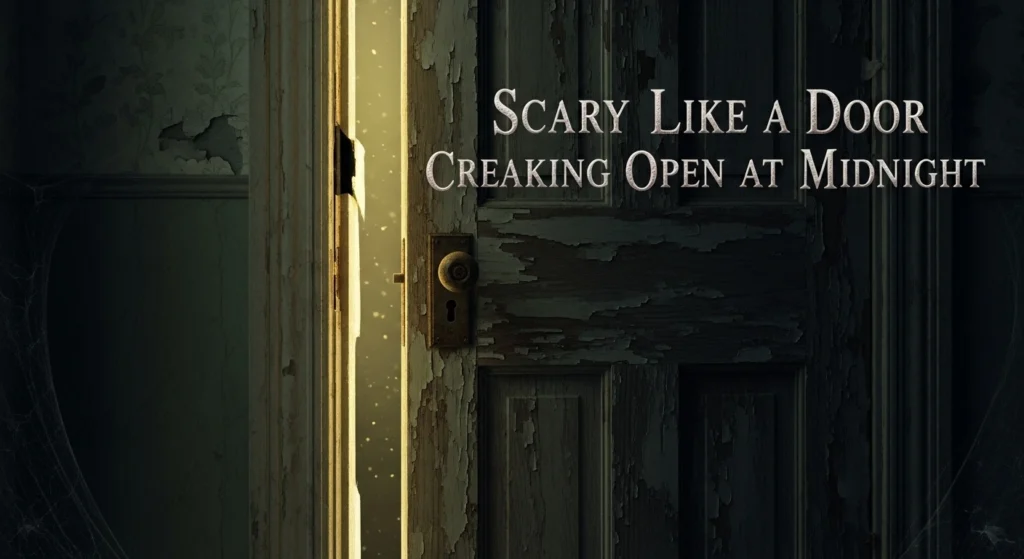
Meaning: Evokes anticipation and suspense.
Emotional Tone: Creepy, tense
Best Usage Context: Horror scenes, descriptive storytelling
Examples:
- The sound was scary like a door creaking open at midnight.
- The old stairs felt scary like a door creaking open at midnight.
- Her voice dropped, scary like a door creaking open at midnight.
- The moment before the announcement was scary like a door creaking open at midnight.
- Texting: “That silence was scary like a door creaking open 😨”
Scary as Being Watched in an Empty Room
Meaning: Describes paranoia and unseen fear.
Emotional Tone: Unsettling, tense
Best Usage Context: Psychological writing, suspense stories
Examples:
- The room felt scary as being watched in an empty room.
- His pause was scary as being watched in an empty room.
- Nighttime thoughts can feel scary as being watched in an empty room.
- The quiet classroom was scary as being watched in an empty room.
- Daily use: “Why does this feel scary like I’m being watched?”
Scary Like Thunder with No Rain
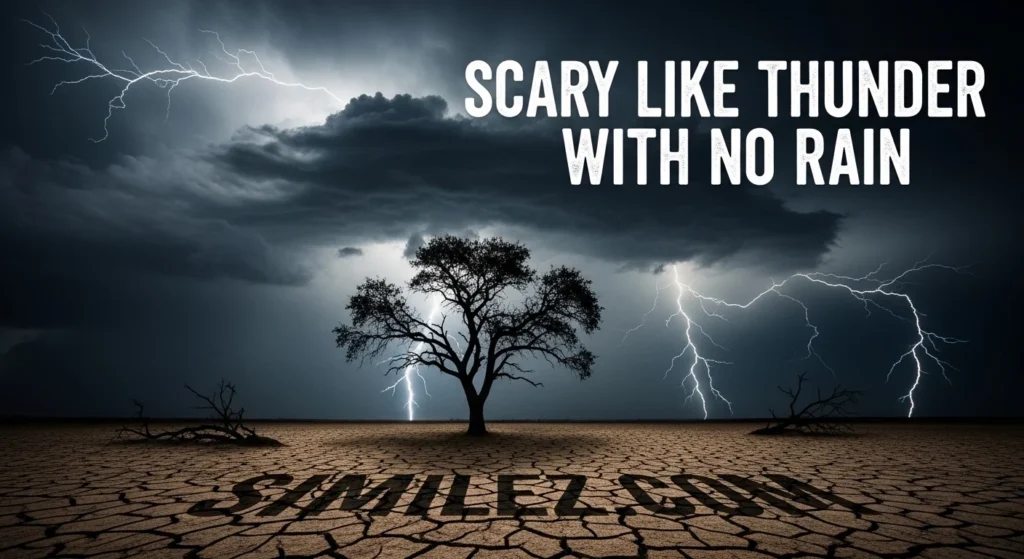
Meaning: Represents sudden, unexpected fear.
Emotional Tone: Sharp, startling
Best Usage Context: Creative writing, poetry
Examples:
- The shout was scary like thunder with no rain.
- His anger came scary like thunder with no rain.
- The news dropped scary like thunder with no rain.
- The crash sounded scary like thunder with no rain.
- Casual: “That bang was scary like thunder outta nowhere.”
Scary as a Silent Scream
Meaning: Fear that’s internal and suppressed.
Emotional Tone: Emotional, intense
Best Usage Context: Poetry, emotional prose
Examples:
- Her fear was scary as a silent scream.
- Anxiety can be scary as a silent scream.
- His expression was scary as a silent scream.
- The moment felt scary as a silent scream.
- Text: “Inside I’m screaming—this is scary as a silent scream.”
Scary Like a Flickering Light in a Tunnel
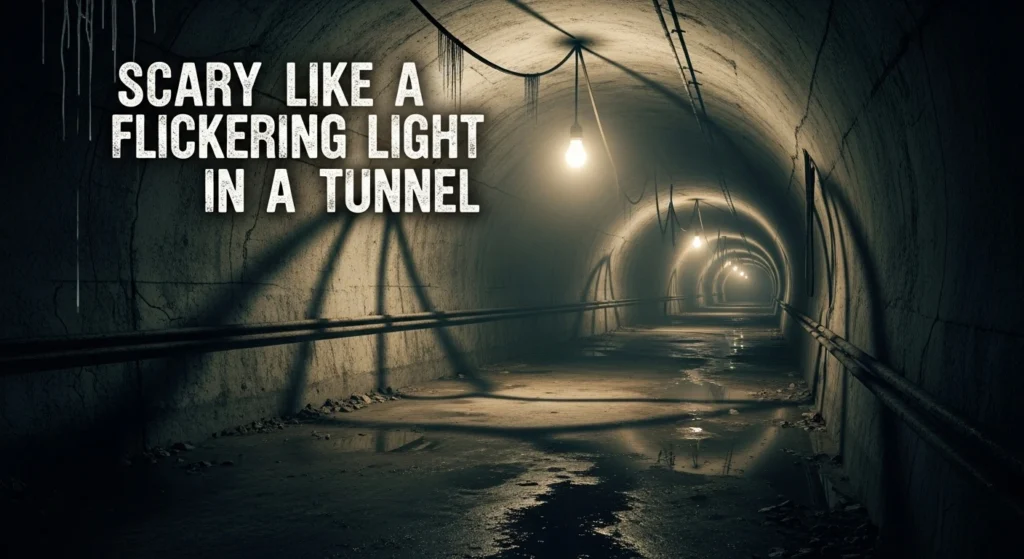
Meaning: Suggests uncertainty and dread.
Emotional Tone: Suspenseful, uneasy
Best Usage Context: Narrative writing
Examples:
- Hope felt scary like a flickering light in a tunnel.
- The future looked scary like a flickering light in a tunnel.
- His smile was scary like a flickering light in a tunnel.
- The plan sounded scary like a flickering light in a tunnel.
- Daily use: “This situation feels scary like a flickering light.”
Scary as Ice-Cold Fingers on Your Neck
Meaning: Describes sudden, physical fear.
Emotional Tone: Shocking, creepy
Best Usage Context: Horror, thrillers
Examples:
- The touch was scary as ice-cold fingers on your neck.
- His breath felt scary as ice-cold fingers on your neck.
- The realization hit scary as ice-cold fingers on your neck.
- The wind brushed scary as ice-cold fingers on your neck.
- Casual: “That chill was scary like cold fingers 😱”
Scary Like a Whisper Calling Your Name
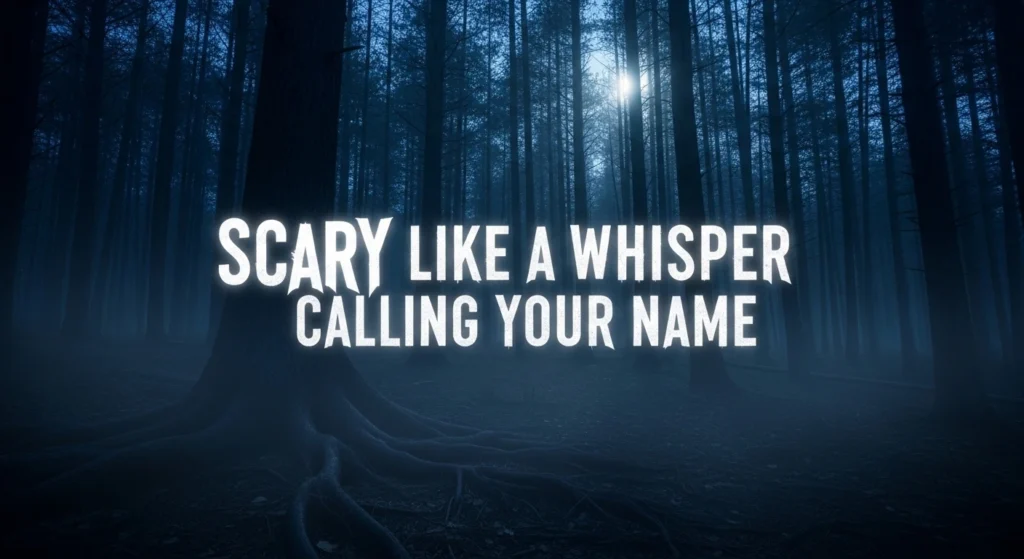
Meaning: Represents mysterious fear.
Emotional Tone: Eerie, chilling
Best Usage Context: Storytelling, poetry
Examples:
- The voice was scary like a whisper calling your name.
- The wind sounded scary like a whisper calling your name.
- His tone turned scary like a whisper calling your name.
- The silence felt scary like a whisper calling your name.
- Texting: “Did you hear that? Scary like a whisper 😳”
Scary as a Knife in the Dark
Meaning: Fear tied to danger and threat.
Emotional Tone: Menacing, intense
Best Usage Context: Dark fiction, dramatic writing
Examples:
- His stare was scary as a knife in the dark.
- The truth felt scary as a knife in the dark.
- Her words cut scary as a knife in the dark.
- The threat loomed scary as a knife in the dark.
- Daily use: “That look was scary as a knife.”
Scary Like a Storm with No Warning
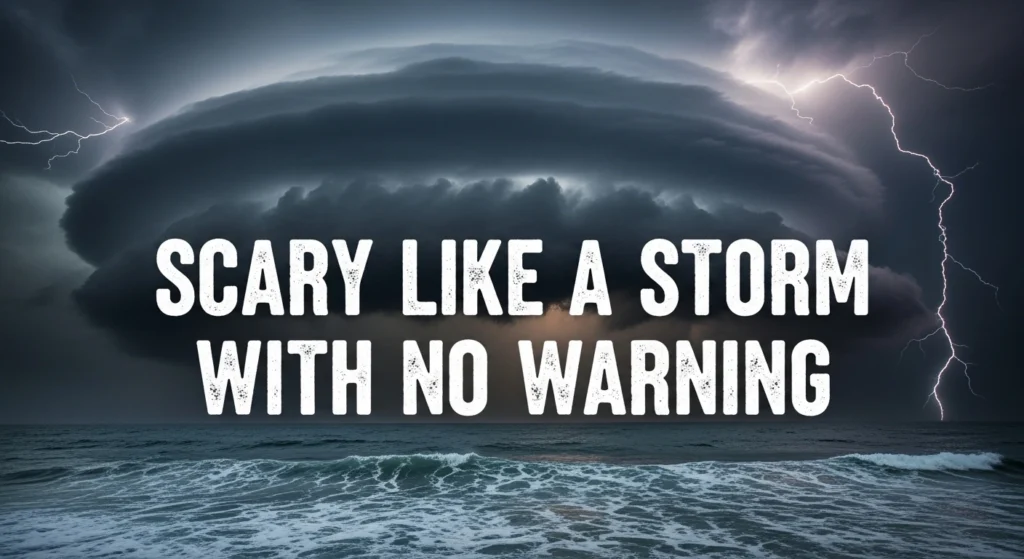
Meaning: Describes sudden chaos and fear.
Emotional Tone: Overwhelming
Best Usage Context: Narratives, descriptive essays
Examples:
- The panic hit scary like a storm with no warning.
- His anger rose scary like a storm with no warning.
- The change felt scary like a storm with no warning.
- News arrived scary like a storm with no warning.
- Casual: “Everything flipped scary like a storm.”
Scary as Footsteps Behind You
Meaning: Fear of being followed.
Emotional Tone: Suspenseful, tense
Best Usage Context: Thrillers, storytelling
Examples:
- The sound was scary as footsteps behind you.
- The silence broke scary as footsteps behind you.
- His presence felt scary as footsteps behind you.
- The echo sounded scary as footsteps behind you.
- Text: “Why does this feel like footsteps? Scary 😬”
Scary Like a Mask with No Face

Meaning: Fear rooted in the unknown.
Emotional Tone: Disturbing, surreal
Best Usage Context: Symbolic writing, poetry
Examples:
- The smile was scary like a mask with no face.
- The truth felt scary like a mask with no face.
- His calmness was scary like a mask with no face.
- The figure looked scary like a mask with no face.
- Casual: “That vibe is scary like a mask.”
Scary as Darkness That Swallows Sound
Meaning: Deep, consuming fear.
Emotional Tone: Oppressive, intense
Best Usage Context: Literary writing
Examples:
- The cave felt scary as darkness that swallows sound.
- His silence was scary as darkness that swallows sound.
- The moment grew scary as darkness that swallows sound.
- The night felt scary as darkness that swallows sound.
- Daily use: “This quiet is scary.”
Scary Like Eyes Watching from the Trees
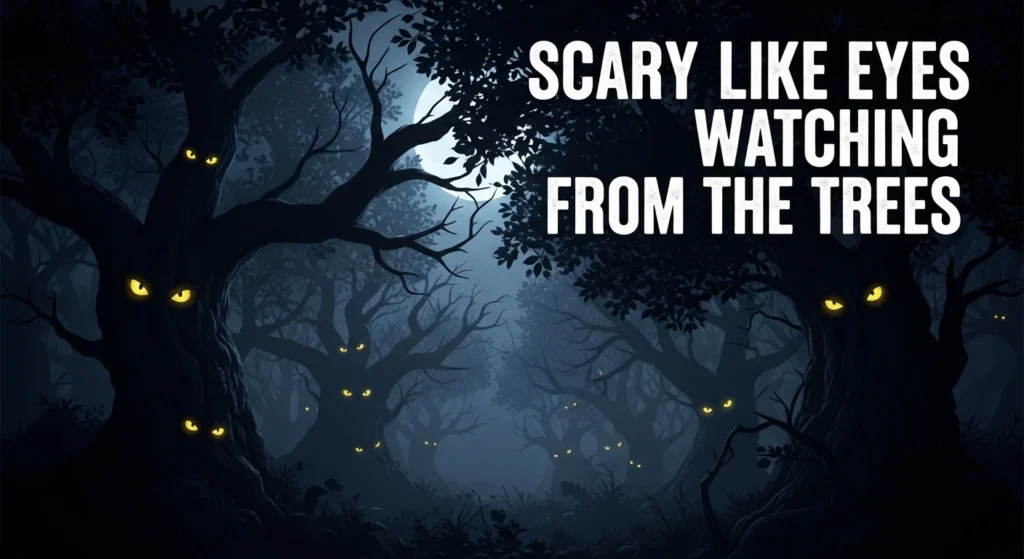
Meaning: Fear of being observed.
Emotional Tone: Paranoid, eerie
Best Usage Context: Horror stories, suspense
Examples:
- The forest felt scary like eyes watching from the trees.
- The silence turned scary like eyes watching from the trees.
- His pause felt scary like eyes watching from the trees.
- The night was scary like eyes watching from the trees.
- Text: “This place feels scary 😟”
Scary as a Heartbeat Too Loud
Meaning: Internal fear and anxiety.
Emotional Tone: Intimate, tense
Best Usage Context: Poetry, emotional writing
Examples:
- The wait was scary as a heartbeat too loud.
- Her fear grew scary as a heartbeat too loud.
- The silence was scary as a heartbeat too loud.
- His anxiety felt scary as a heartbeat too loud.
- Daily use: “My heart’s racing—this is scary.”
Scary Like Standing on the Edge of a Cliff
Meaning: Fear mixed with danger and anticipation.
Emotional Tone: Thrilling, intense
Best Usage Context: Narrative writing, motivational contrasts
Examples:
- The choice felt scary like standing on the edge of a cliff.
- The moment was scary like standing on the edge of a cliff.
- Starting over felt scary like standing on the edge of a cliff.
- His decision felt scary like standing on the edge of a cliff.
- Casual: “Big move tomorrow—scary like a cliff!”
Final Thoughts
Using similes for scary transforms ordinary descriptions into vivid emotional experiences. Whether you’re writing stories, poems, essays, or even casual messages, similes help your words linger longer in the reader’s mind. Creative comparisons give fear shape, sound, and sensation—turning simple language into powerful expression.