

Pain is hard to describe with plain words. That is why writers, speakers, and everyday people often rely on similes for pain—comparisons using like or as—to turn invisible feelings into images readers can clearly imagine.
In figurative language, similes help bridge the gap between emotion and understanding. They allow readers to see, hear, and feel pain rather than just being told it exists. From poetry and storytelling to daily conversations and even academic writing, similes make expression more vivid, relatable, and human.
Below are 18 powerful similes for pain, each explained in depth. For every simile, you’ll find its meaning, emotional tone, best usage context, and at least five natural, original examples, including casual, everyday sentences where helpful.
Pain like a knife cutting deep
Meaning: This simile compares pain to a sharp blade, emphasizing suddenness and intensity.
Emotional Tone: Severe, shocking, and often physical or emotional trauma.
Best Used In: Storytelling, dramatic writing, poetry, and emotional narratives.
Examples:
- The pain hit him like a knife cutting deep into his chest.
- Her words stabbed like a knife cutting deep, leaving him breathless.
- The injury felt like a knife cutting deep every time he moved.
- Grief sliced through her heart like a knife cutting deep.
- Daily use: “That headache feels like a knife cutting deep behind my eyes.”
Pain like fire burning under the skin
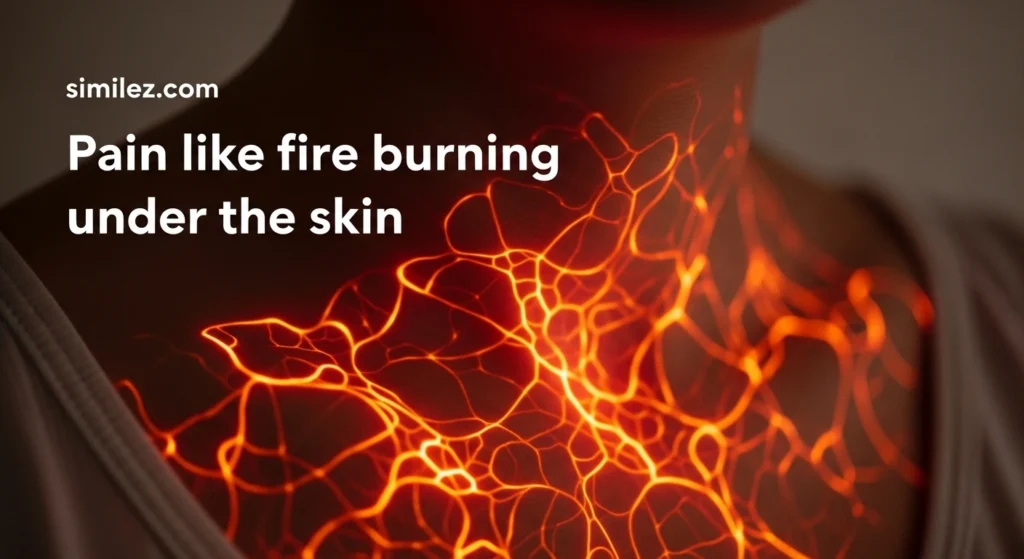
Meaning: Describes pain that feels hot, spreading, and relentless.
Emotional Tone: Intense, raw, and consuming.
Best Used In: Medical descriptions, creative writing, personal experiences.
Examples:
- The rash burned like fire under the skin.
- Anger flared like fire burning under the skin.
- His muscles screamed like fire under the skin after the workout.
- Shame burned like fire under her skin during the silence.
- Texting: “My leg feels like fire under the skin today 😖”
Pain like a storm crashing inside the body
Meaning: Represents chaotic, overwhelming pain that comes in waves.
Emotional Tone: Violent, turbulent, uncontrollable.
Best Used In: Poetry, emotional storytelling, reflective essays.
Examples:
- The migraine felt like a storm crashing inside his body.
- Grief rolled through her like a storm crashing inside.
- Fear hit him like a storm crashing inside his chest.
- Labor pains arrived like storms crashing inside her body.
- Daily use: “That flu feels like a storm inside me.”
Pain like glass shattering in the bones

Meaning: Suggests sharp, brittle, and unbearable pain.
Emotional Tone: Fragile yet violent.
Best Used In: Poetic descriptions, injury scenes, dramatic prose.
Examples:
- Each step felt like glass shattering in his bones.
- The cold stabbed like glass shattering inside her joints.
- His scream echoed as pain shattered like glass in his bones.
- Arthritis made mornings feel like glass shattering.
- Casual: “My knees feel like glass shattering today.”
Pain like a weight crushing the chest
Meaning: Conveys heavy, suffocating pain, often emotional.
Emotional Tone: Oppressive, anxious, sorrowful.
Best Used In: Mental health writing, emotional scenes, reflective pieces.
Examples:
- Anxiety pressed like a weight crushing his chest.
- The news landed like a weight crushing her chest.
- Grief sat heavy like a crushing weight.
- Panic attacks feel like a weight crushing the chest.
- Daily use: “This stress feels like a weight on my chest.”
Pain like needles pricking the skin

Meaning: Describes sharp, repeated, stinging sensations.
Emotional Tone: Irritating, uncomfortable, persistent.
Best Used In: Medical writing, everyday speech, descriptive scenes.
Examples:
- Pins and needles felt like tiny needles pricking his skin.
- The cold wind stung like needles.
- Nerves sparked like needles pricking her hands.
- Allergies felt like needles on her skin.
- Texting: “My arm feels like needles right now.”
Pain like thunder echoing through the body
Meaning: Represents loud, powerful, and lingering pain.
Emotional Tone: Overwhelming and dramatic.
Best Used In: Poetry, action scenes, expressive storytelling.
Examples:
- The impact sent pain like thunder through his body.
- Heartbreak boomed like thunder in her chest.
- The blow echoed like thunder through his bones.
- Fear thundered through her veins.
- Daily use: “That hit felt like thunder in my leg.”
Pain like ice freezing the nerves
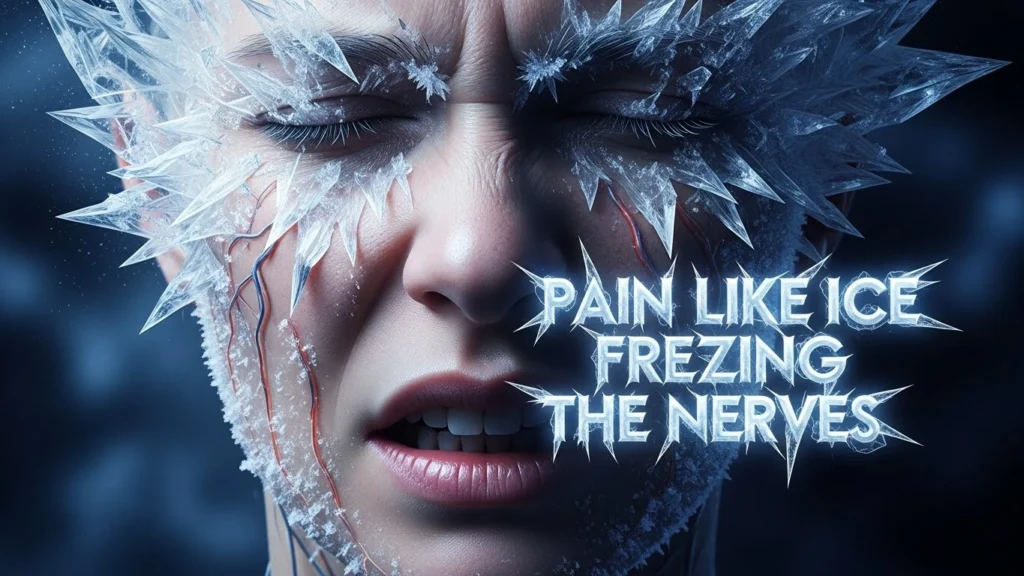
Meaning: Describes numbing, stiff, or paralyzing pain.
Emotional Tone: Cold, isolating, restrained.
Best Used In: Poetry, emotional writing, physical pain descriptions.
Examples:
- Fear froze like ice in his nerves.
- The cold shot through her like ice freezing nerves.
- Shock spread like ice inside him.
- Emotional distance felt like ice in her veins.
- Casual: “My fingers feel frozen with pain.”
Pain like a hammer pounding relentlessly
Meaning: Conveys repetitive, pounding pain.
Emotional Tone: Exhausting and relentless.
Best Used In: Headache descriptions, action writing, realism.
Examples:
- The headache pounded like a hammer.
- Guilt hammered his mind relentlessly.
- Pain hit like a hammer with every heartbeat.
- Regret hammered him daily.
- Daily use: “This migraine is like a hammer today.”
Pain like a wound that never heals

Meaning: Represents long-lasting emotional or physical pain.
Emotional Tone: Melancholy, sorrowful, enduring.
Best Used In: Emotional writing, literature, reflective essays.
Examples:
- Loss felt like a wound that never healed.
- Betrayal became a wound that never healed.
- Old memories reopened like unhealed wounds.
- Trauma stayed like a wound.
- Casual: “That breakup still feels unhealed.”
Pain like poison spreading slowly
Meaning: Suggests pain that worsens over time.
Emotional Tone: Dark, ominous, creeping.
Best Used In: Storytelling, metaphor-rich prose.
Examples:
- Fear spread like poison.
- Resentment poisoned him slowly.
- Pain crept like poison through her body.
- Lies spread like poison in the group.
- Daily use: “That pain is spreading slowly.”
Pain like chains tightening around the body

Meaning: Conveys restriction and trapped suffering.
Emotional Tone: Claustrophobic and oppressive.
Best Used In: Poetry, emotional narratives.
Examples:
- Anxiety felt like chains tightening.
- Pain wrapped like chains around her chest.
- Fear tightened like chains.
- Stress bound him like chains.
- Casual: “This stress feels tight everywhere.”
Pain like waves crashing endlessly
Meaning: Describes recurring pain that comes and goes.
Emotional Tone: Exhausting but rhythmic.
Best Used In: Medical writing, emotional storytelling.
Examples:
- Grief came in waves.
- Pain crashed like waves.
- Anxiety surged in waves.
- Memories washed over her painfully.
- Daily use: “The cramps come in waves.”
Pain like a scream trapped inside

Meaning: Suggests suppressed or silent suffering.
Emotional Tone: Desperate, restrained.
Best Used In: Poetry, emotional prose.
Examples:
- Pain screamed inside him.
- Fear felt like a trapped scream.
- Grief screamed silently.
- Rage boiled like a silent scream.
- Casual: “I feel like screaming inside.”
Pain like sandpaper scraping raw skin
Meaning: Describes abrasive, irritating pain.
Emotional Tone: Harsh and uncomfortable.
Best Used In: Descriptive writing, daily speech.
Examples:
- The fabric felt like sandpaper.
- His words scraped like sandpaper.
- Pain rubbed raw like sandpaper.
- Dry air scraped her throat.
- Daily use: “This shirt feels painful today.”
Pain like a shadow that never leaves
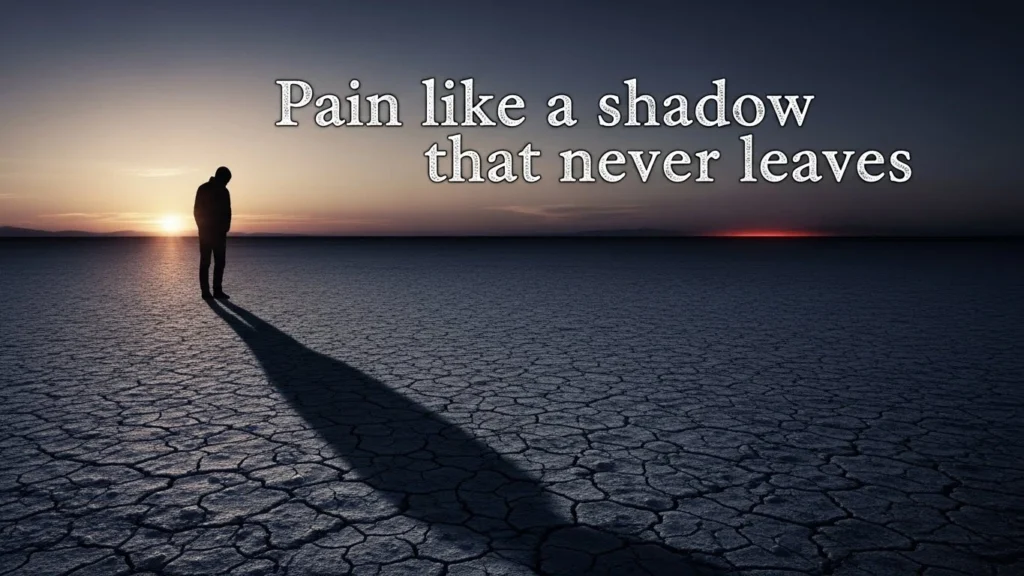
Meaning: Represents constant, lingering pain.
Emotional Tone: Somber and haunting.
Best Used In: Reflective writing, emotional narratives.
Examples:
- Sadness followed like a shadow.
- Pain lingered like a shadow.
- Fear stayed close like a shadow.
- Trauma followed him silently.
- Casual: “That pain never really leaves.”
Pain like electricity shocking the nerves
Meaning: Describes sudden, sharp nerve pain.
Emotional Tone: Jolting and intense.
Best Used In: Medical descriptions, vivid storytelling.
Examples:
- Pain shocked like electricity.
- Nerves fired like electric shocks.
- The injury sparked painfully.
- Fear jolted him suddenly.
- Daily use: “That pain feels electric!”
Pain like a heavy fog clouding the mind
Meaning: Represents dull, confusing pain affecting focus.
Emotional Tone: Muted and draining.
Best Used In: Mental health writing, reflective prose.
Examples:
- Pain fogged her thoughts.
- Depression felt like a heavy fog.
- Stress clouded his mind.
- Fatigue settled like fog.
- Casual: “My head feels foggy today.”
Conclusion
Using similes for pain transforms suffering into something visible, relatable, and deeply human. Whether you’re writing poetry, telling stories, journaling emotions, or simply explaining how you feel, the right simile gives your words clarity and emotional power.