
Nature is beautiful, complex, and full of emotion—but sometimes plain words are not enough to describe it. This is where similes come in. A simile is a figure of speech that compares two different things using words like “as” or “like.” Writers and speakers use similes to make ideas clearer, more vivid, and easier to imagine.
In figurative language, similes for nature help readers see the landscape, feel the weather, and sense the mood of the environment. Whether you are writing poetry, storytelling, essays, or even casual messages, similes add color, emotion, and imagery to your words.
Nature Is Like a Living Painting
Meaning: This simile compares nature to artwork, highlighting its visual beauty and harmony.
Emotional Tone: Calm, appreciative, awe-filled.
Best Used In: Poetry, descriptive writing, travel blogs.
Example Sentences:
- The valley looked like a living painting, brushed with green and gold.
- At sunrise, the hills appeared like a living painting framed by mist.
- Walking through the forest felt like stepping into a living painting.
- The countryside stretched before us like a living painting.
- Daily use: “This view is like a living painting, I could stare forever.”
The Forest Is Like a Cathedral
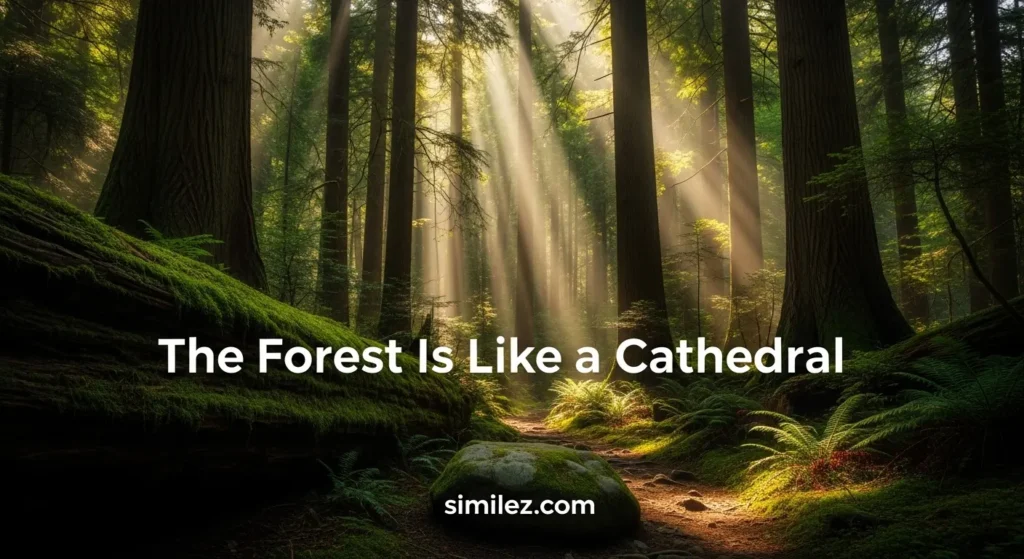
Meaning: Compares tall trees and silence to the sacred atmosphere of a cathedral.
Emotional Tone: Peaceful, spiritual, reverent.
Best Used In: Nature essays, reflective writing, poetry.
Example Sentences:
- The forest stood like a cathedral, quiet and majestic.
- Sunlight filtered through trees like stained glass in a cathedral.
- We whispered, as the forest felt like a cathedral.
- The stillness made the forest like a sacred cathedral.
- Texting: “This place feels like a cathedral, so calm 🌲”
The River Flows Like a Silver Ribbon
Meaning: Highlights the river’s smooth, shining movement.
Emotional Tone: Gentle, elegant, soothing.
Best Used In: Poetry, storytelling, visual descriptions.
Example Sentences:
- The river wound through the valley like a silver ribbon.
- Moonlight turned the river into a silver ribbon.
- From above, the stream looked like a silver ribbon.
- The river sparkled like a silver ribbon in the sun.
- Casual: “That river looks like a silver ribbon from here.”
Mountains Stand Like Sleeping Giants
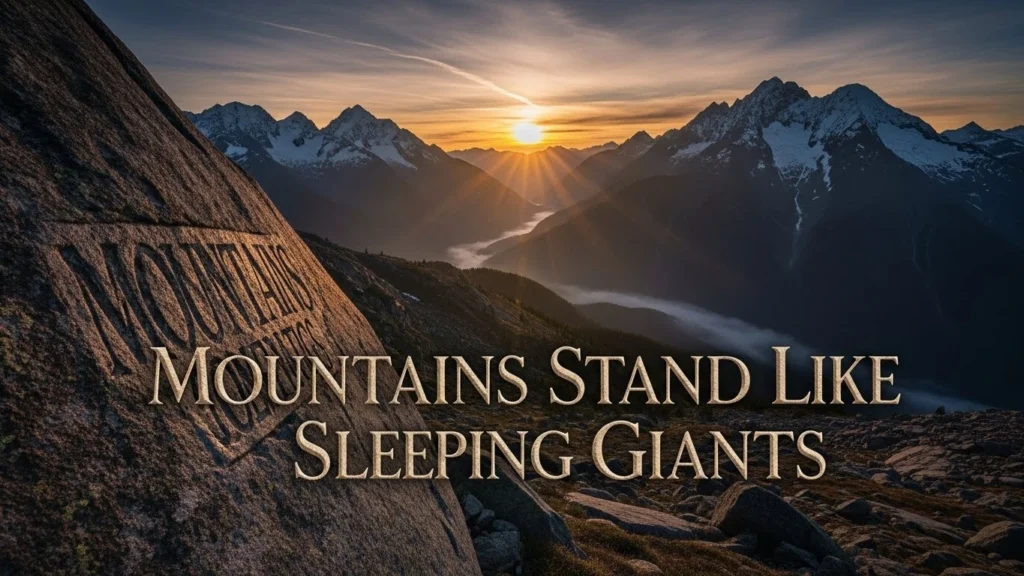
Meaning: Compares mountains to giant beings, emphasizing strength and size.
Emotional Tone: Powerful, awe-inspiring.
Best Used In: Adventure writing, myths, descriptive prose.
Example Sentences:
- The mountains stood like sleeping giants.
- Snow covered the peaks like giants wrapped in blankets.
- At dawn, the hills looked like sleeping giants.
- The valley rested beneath sleeping giants.
- Daily use: “Those mountains look like giants from here!”
The Sky Is Like an Endless Ocean
Meaning: Shows the sky’s vastness and depth.
Emotional Tone: Expansive, dreamy, peaceful.
Best Used In: Poetry, philosophical writing.
Example Sentences:
- The blue sky stretched like an endless ocean.
- Clouds drifted like waves across the sky.
- I felt small under a sky like an endless ocean.
- The sunset colored the sky like a glowing sea.
- Casual: “This sky feels like an ocean today.”
Leaves Fall Like Golden Rain
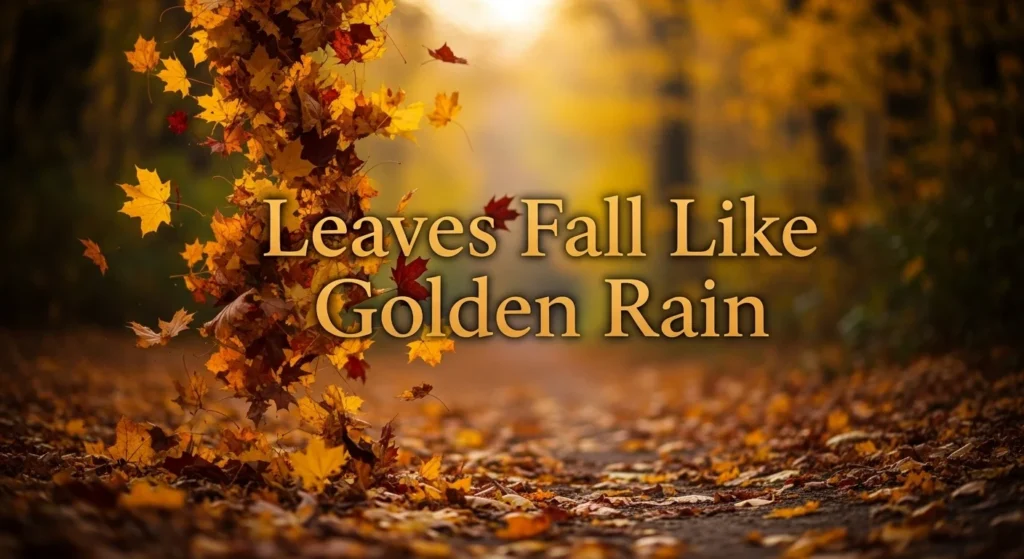
Meaning: Describes falling leaves as gentle and beautiful.
Emotional Tone: Warm, nostalgic.
Best Used In: Autumn poetry, storytelling.
Example Sentences:
- Leaves drifted down like golden rain.
- Autumn arrived with leaves falling like rain.
- The path shimmered as leaves fell like golden rain.
- Trees shed leaves like soft rain.
- Texting: “It’s raining leaves 🍂 like gold.”
The Wind Whispers Like a Secret
Meaning: Suggests softness and mystery in the wind’s sound.
Emotional Tone: Gentle, mysterious.
Best Used In: Poetry, fiction.
Example Sentences:
- The wind whispered like a secret through trees.
- Night wind moved like a quiet secret.
- The breeze spoke like a secret only nature knew.
- Leaves rustled like whispered secrets.
- Daily use: “The wind feels like it’s whispering.”
The Sun Shines Like a Golden Coin
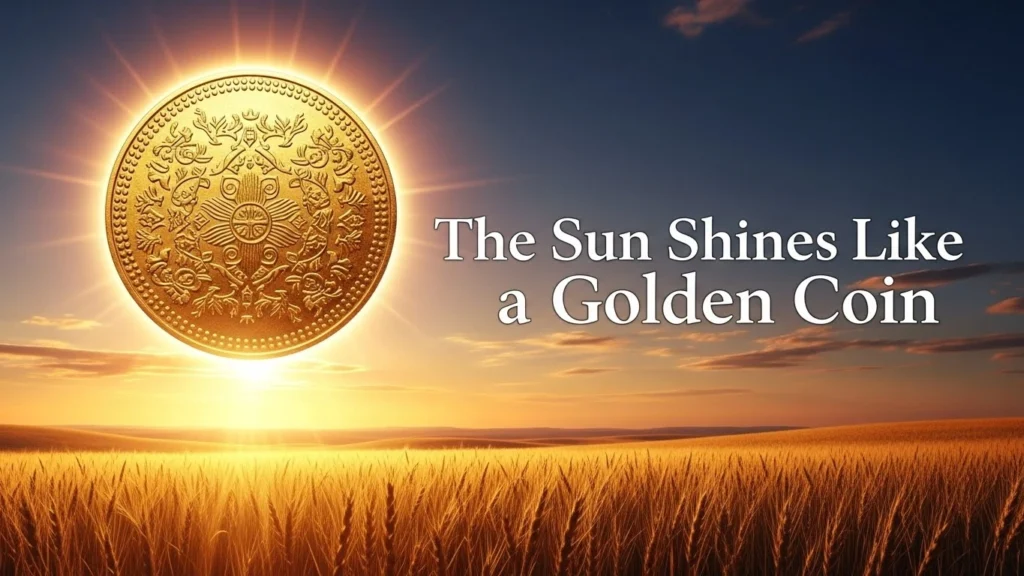
Meaning: Highlights brightness and warmth.
Emotional Tone: Cheerful, hopeful.
Best Used In: Children’s stories, descriptive writing.
Example Sentences:
- The sun hung like a golden coin in the sky.
- Morning sun glowed like a shiny coin.
- The sun dipped like a golden coin at dusk.
- Clouds parted to reveal a golden coin of light.
- Casual: “That sun looks like a gold coin today ☀️”
Clouds Float Like Cotton
Meaning: Shows softness and lightness.
Emotional Tone: Dreamy, playful.
Best Used In: Poetry, children’s writing.
Example Sentences:
- Clouds drifted like cotton in the sky.
- The sky filled with clouds like soft cotton.
- White clouds floated like cotton balls.
- The horizon was lined with cotton clouds.
- Daily use: “Clouds look like cotton today!”
The Ocean Roars Like a Lion

Meaning: Emphasizes power and sound.
Emotional Tone: Dramatic, intense.
Best Used In: Adventure stories, poetry.
Example Sentences:
- The ocean roared like a lion.
- Waves crashed like a roaring beast.
- The storm made the sea roar like a lion.
- The shore echoed with lion-like waves.
- Casual: “The ocean sounds wild today!”
Grass Waves Like a Green Sea
Meaning: Shows movement and unity.
Emotional Tone: Peaceful, visual.
Best Used In: Nature descriptions.
Example Sentences:
- Grass moved like a green sea.
- Wind turned fields into a green sea.
- The meadow rippled like a sea.
- Tall grass swayed like ocean waves.
- Daily use: “The field looks like a sea!”
The Moon Glows Like a Lantern
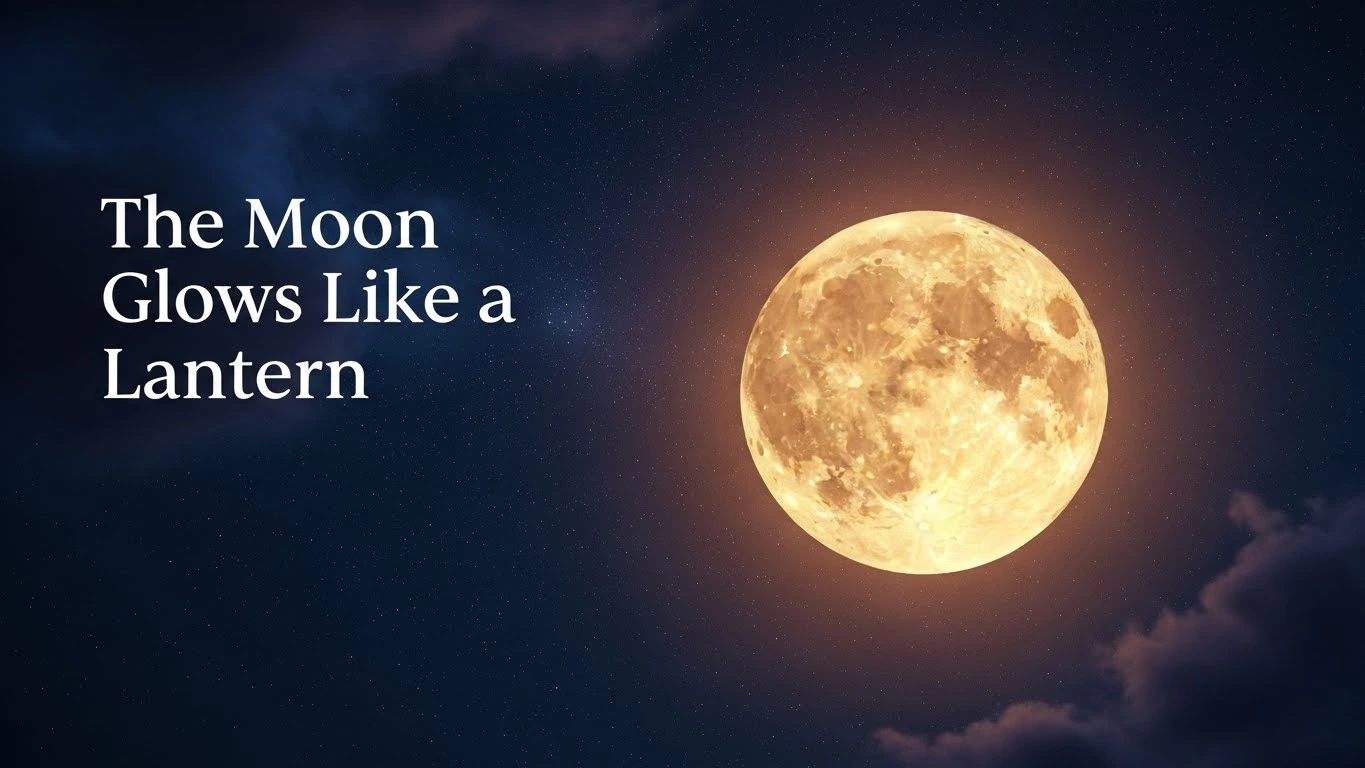
Meaning: Suggests guidance and softness.
Emotional Tone: Calm, comforting.
Best Used In: Poetry, night scenes.
Example Sentences:
- The moon glowed like a lantern.
- A full moon shone like a guiding lantern.
- The path was lit like by a lantern.
- Moonlight spread like soft lantern light.
- Texting: “Moon’s glowing like a lantern 🌙”
Snow Falls Like Feathers
Meaning: Describes softness and light movement.
Emotional Tone: Gentle, serene.
Best Used In: Winter poetry, descriptions.
Example Sentences:
- Snow fell like feathers from the sky.
- Soft snow drifted like feathers.
- The night filled with snow like floating feathers.
- Snowflakes landed like feathers.
- Daily use: “Snow feels so soft today.”
The Desert Stretches Like a Sleeping Sea
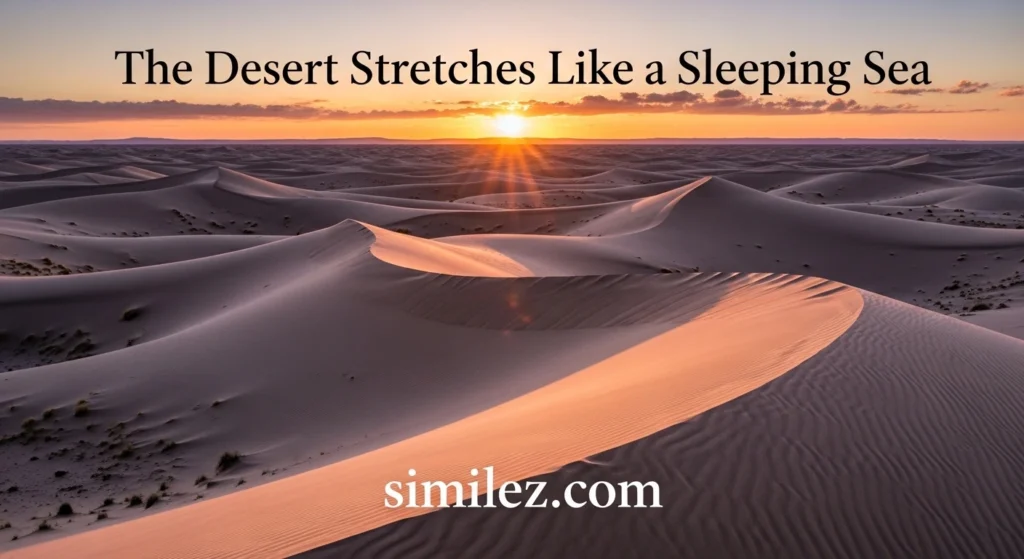
Meaning: Highlights vastness and stillness.
Emotional Tone: Lonely, peaceful.
Best Used In: Travel writing, poetry.
Example Sentences:
- The desert lay like a sleeping sea.
- Sand dunes rolled like waves frozen in time.
- The land stretched like a silent sea.
- The desert rested like a calm ocean.
- Casual: “That desert looks endless.”
Trees Stand Like Silent Guards
Meaning: Shows protection and strength.
Emotional Tone: Strong, watchful.
Best Used In: Storytelling, symbolism.
Example Sentences:
- Trees stood like silent guards.
- The forest edge had trees like guards.
- Tall trees watched like silent guards.
- The road was lined with guard-like trees.
- Daily use: “These trees feel protective.”
Rain Falls Like Tears from the Sky

Meaning: Suggests sadness or emotion.
Emotional Tone: Melancholic, reflective.
Best Used In: Poetry, emotional writing.
Example Sentences:
- Rain fell like tears from the sky.
- The sky cried through falling rain.
- Rain dropped like silent tears.
- Storm clouds wept like sorrowful tears.
- Casual: “Feels like the sky is crying.”
Flowers Bloom Like Smiles
Meaning: Represents happiness and renewal.
Emotional Tone: Joyful, hopeful.
Best Used In: Poetry, positive writing.
Example Sentences:
- Flowers bloomed like smiles in spring.
- The garden filled with smiling flowers.
- Bright flowers opened like happy smiles.
- Fields smiled with blooming flowers.
- Daily use: “These flowers feel happy 🌸”
Nature Is Like a Teacher
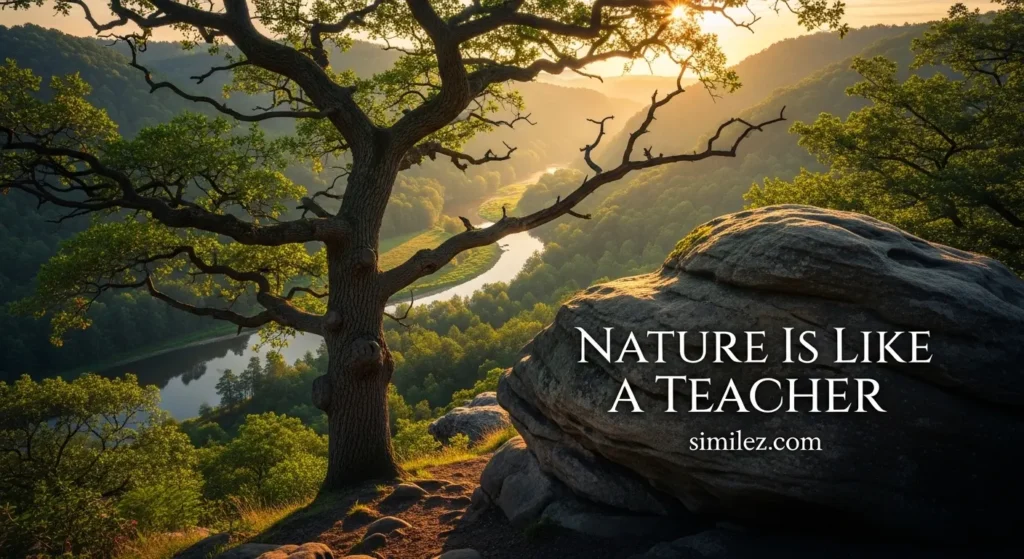
Meaning: Shows wisdom and lessons learned from nature.
Emotional Tone: Thoughtful, inspiring.
Best Used In: Essays, reflective writing.
Example Sentences:
- Nature teaches patience like a quiet teacher.
- Seasons change like lessons in time.
- Nature speaks like a wise teacher.
- Every storm teaches a lesson.
- Casual: “Nature always teaches something.”
Conclusion:
Using similes for nature transforms ordinary descriptions into vivid, emotional experiences. They help readers imagine scenes clearly, feel deeper connections, and enjoy language more fully. Whether you’re writing poetry, telling stories, or crafting everyday sentences, similes add beauty, clarity, and creativity.