

Money is more than numbers and notes—it carries emotions, power, desire, fear, and freedom. One of the most vivid ways writers and speakers express these ideas is through similes.
A simile is a figure of speech that compares two unlike things using “like” or “as” to help readers visualize an idea more clearly. Similes make language lively, relatable, and memorable. That’s why similes for money appear so often in storytelling, poetry, songs, daily conversation, and even academic writing.
In this in-depth guide, you’ll explore 18 expressive similes for money, each explained clearly with meaning, emotional tone, ideal usage context, and multiple original example sentences—including casual, daily-use lines. Whether you’re a student, writer, or content creator, these similes will enrich your figurative language and sharpen your expression.
Money Is Like Water
Meaning: Money flows in and out quickly, just like water.
Emotional Tone: Neutral to cautionary—suggests impermanence.
Best Usage Context: Daily speech, financial discussions, reflective writing.
Examples:
- Money is like water—it slips through your fingers if you don’t manage it.
- For him, money flowed like water during the busy season.
- She learned early that money, like water, never stays still.
- In college, my savings vanished like water down a drain.
- Texting example: “Payday came and went—money’s like water 😭”
Money Is Like a Magnet

Meaning: Money attracts attention, people, or opportunities.
Emotional Tone: Observational, sometimes critical.
Best Usage Context: Storytelling, social commentary, essays.
Examples:
- Money is like a magnet, pulling people closer whether you want it or not.
- Success followed him because money attracts more money like a magnet.
- She noticed how friends appeared once money came into her life.
- Wealth can be a magnet for both loyalty and greed.
- Money is like a magnet in business circles.
Money Is Like Sand
Meaning: It’s hard to hold onto; it slips away easily.
Emotional Tone: Reflective, slightly pessimistic.
Best Usage Context: Poetry, personal essays, conversations about spending.
Examples:
- Money is like sand—grip it too tightly and it still escapes.
- Without a budget, his earnings vanished like sand in the wind.
- She saved carefully, knowing money behaves like sand.
- Money slipped through his life like sand through fingers.
- Daily use: “Why does my paycheck feel like sand?”
Money Is Like Fire
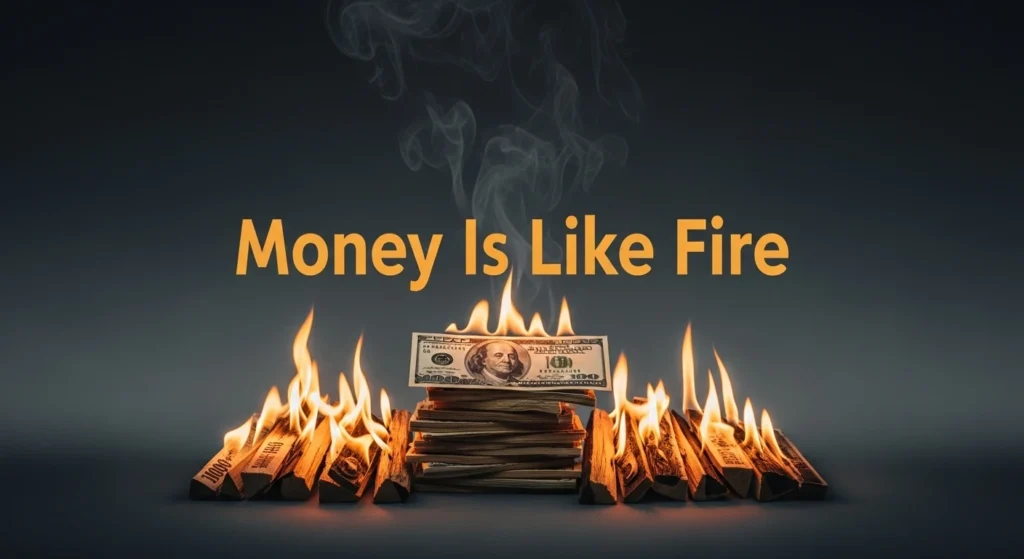
Meaning: Money can help or harm depending on how it’s used.
Emotional Tone: Cautionary, powerful.
Best Usage Context: Moral writing, motivational speeches, essays.
Examples:
- Money is like fire—it can warm your life or burn it down.
- She respected money the way people respect fire.
- Used wisely, money builds; misused, it destroys.
- His greed turned money into fire instead of fuel.
- Money is like fire in careless hands.
Money Is Like a River
Meaning: It keeps moving and must be guided.
Emotional Tone: Calm, philosophical.
Best Usage Context: Inspirational writing, storytelling.
Examples:
- Money is like a river—it needs direction to be useful.
- She learned to channel her income wisely.
- Let money flow, but build strong banks.
- A steady income felt like a gentle river.
- Wealth moved through his life like a river, not a dam.
Money Is Like a Seed

Meaning: When invested wisely, it grows over time.
Emotional Tone: Hopeful, optimistic.
Best Usage Context: Financial advice, motivational content.
Examples:
- Money is like a seed—plant it right, and it multiplies.
- She invested early, letting money grow naturally.
- Savings are seeds for future security.
- His small investment became a forest of opportunity.
- Money grows when treated like a seed, not a snack.
Money Is Like Ice
Meaning: It melts away quickly if not protected.
Emotional Tone: Warning, realistic.
Best Usage Context: Daily conversation, budgeting advice.
Examples:
- Money is like ice on a hot day.
- Without discipline, her savings melted fast.
- He watched his bonus disappear like ice in sunlight.
- Money melts under pressure.
- Casual: “Why does my money melt so fast?”
Money Is Like a Mirror

Meaning: It reflects character and values.
Emotional Tone: Insightful, moral.
Best Usage Context: Essays, self-reflection, philosophy.
Examples:
- Money is like a mirror—it shows who people really are.
- Wealth revealed his true priorities.
- How you spend money reflects your values.
- Money exposed both kindness and greed.
- Money mirrors intention more than talent.
Money Is Like a Tool
Meaning: It’s useful but not valuable on its own.
Emotional Tone: Practical, balanced.
Best Usage Context: Educational writing, speeches.
Examples:
- Money is like a tool—you must know how to use it.
- Tools don’t define success; skills do.
- She treated money as a means, not a goal.
- Money builds when used wisely.
- Wealth is only as useful as the hands holding it.
Money Is Like a Chain
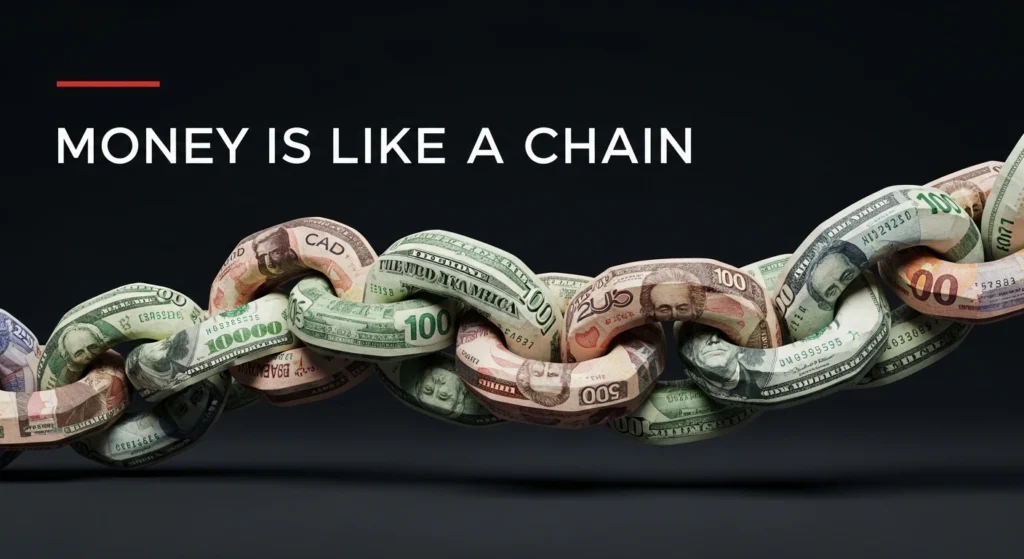
Meaning: It can provide security or cause restriction.
Emotional Tone: Serious, reflective.
Best Usage Context: Poetry, social commentary.
Examples:
- Money is like a chain—it can anchor or imprison.
- Debt turned money into a heavy chain.
- Freedom came when he broke the chain.
- Wealth tied her down instead of lifting her up.
- Money chained him to a job he hated.
Money Is Like a Shadow
Meaning: It follows you constantly.
Emotional Tone: Subtle, contemplative.
Best Usage Context: Literary writing, essays.
Examples:
- Money is like a shadow—always present.
- It followed every decision she made.
- Even happiness seemed tied to money’s shadow.
- He couldn’t escape financial worries.
- Money lurked behind every choice.
Money Is Like Air
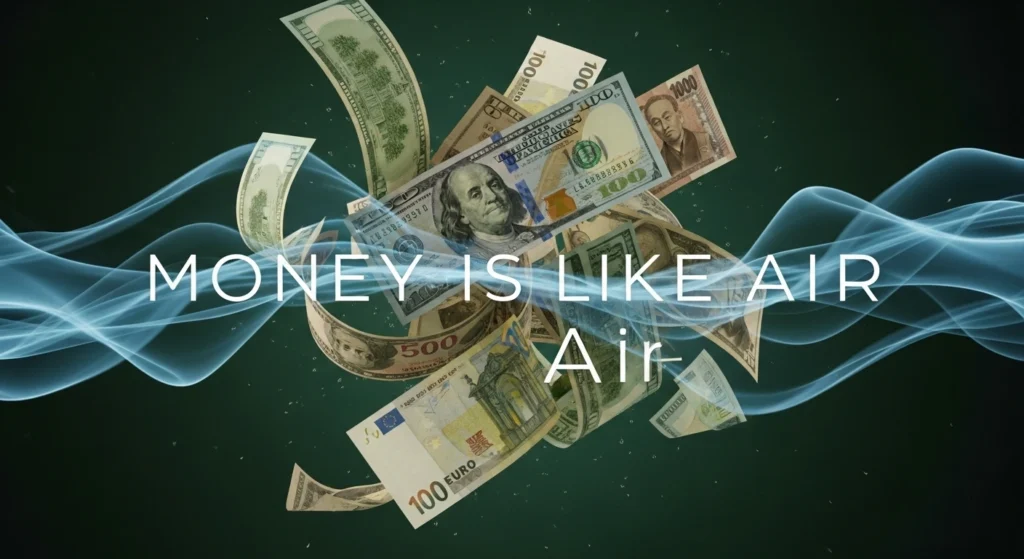
Meaning: You don’t notice it until it’s gone.
Emotional Tone: Realistic, slightly urgent.
Best Usage Context: Daily speech, storytelling.
Examples:
- Money is like air—you miss it when it’s gone.
- He took money for granted until bills arrived.
- Financial security felt invisible until lost.
- Money matters most in its absence.
- Daily use: “Money’s like air—now I can’t breathe 😅”
Money Is Like a Ladder
Meaning: It helps you climb toward goals.
Emotional Tone: Ambitious, motivating.
Best Usage Context: Career writing, motivational content.
Examples:
- Money is like a ladder to opportunity.
- Each raise lifted him higher.
- Education became her ladder.
- Money helped, but effort mattered more.
- Wealth builds ladders, not destinations.
Money Is Like a Game

Meaning: It involves strategy, risk, and rules.
Emotional Tone: Playful yet strategic.
Best Usage Context: Business writing, casual speech.
Examples:
- Money is like a game—you must learn the rules.
- He played smart and avoided losses.
- Saving felt like leveling up.
- Risky spending lost him the game.
- Money games reward patience.
Money Is Like a Shield
Meaning: It provides protection and security.
Emotional Tone: Reassuring.
Best Usage Context: Personal finance writing.
Examples:
- Money is like a shield against uncertainty.
- Savings protected her family.
- Financial planning built a strong shield.
- Money softened life’s blows.
- Wealth offered comfort, not happiness.
Money Is Like Lightning
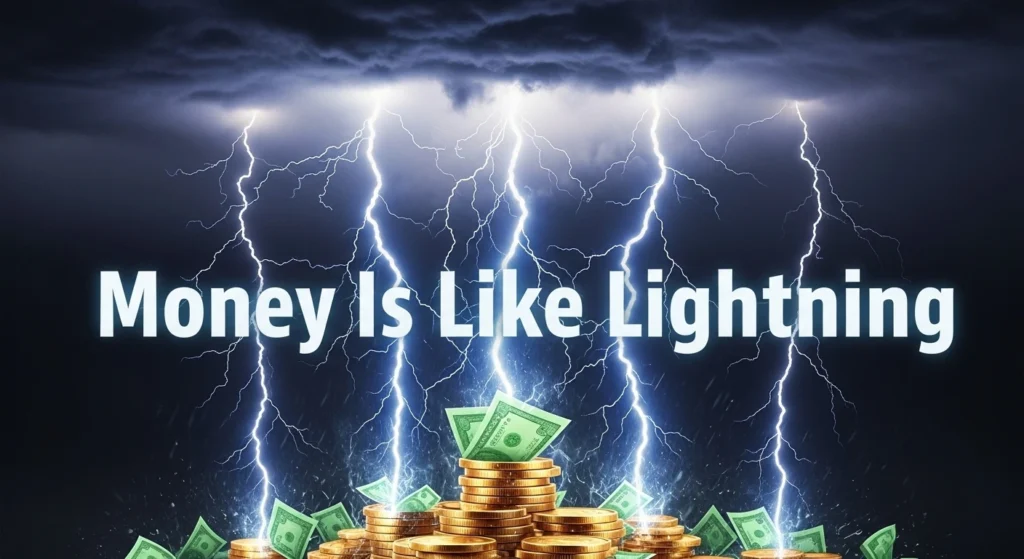
Meaning: It appears suddenly and disappears fast.
Emotional Tone: Dramatic.
Best Usage Context: Storytelling, dramatic writing.
Examples:
- Money struck like lightning.
- His success was sudden and brief.
- Wealth flashed and vanished.
- One deal changed everything overnight.
- Money came fast—and left faster.
Money Is Like a Key
Meaning: It unlocks opportunities.
Emotional Tone: Positive, hopeful.
Best Usage Context: Inspirational writing.
Examples:
- Money is like a key to possibility.
- Education unlocked doors through money.
- Wealth opened new worlds.
- Money granted access, not wisdom.
- A small key can open big doors.
Money Is Like a Guest
Meaning: It comes and goes.
Emotional Tone: Light, philosophical.
Best Usage Context: Poetry, reflective writing.
Examples:
- Money is like a guest—never permanent.
- Welcome it, but don’t depend on it.
- Wealth visited briefly.
- Money comes politely and leaves quietly.
- Treat money like a guest, not a ruler.
Final Thoughts
Using similes for money adds depth, emotion, and clarity to your writing. They turn abstract ideas into vivid images, helping readers see and feel financial concepts instead of just understanding them logically.
Whether you’re crafting poetry, improving everyday conversation, or enhancing academic writing, similes make language more expressive and memorable. Keep experimenting, stay creative, and remember—words, when used wisely, are richer than money itself