
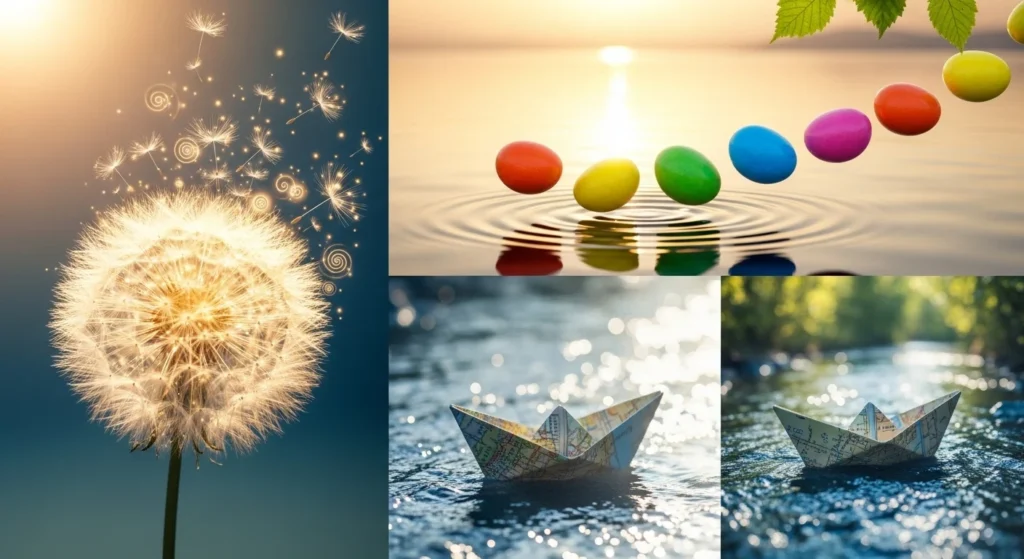
Happiness is a feeling that dances lightly in our hearts, like sunlight spilling through a window on a quiet morning. We often struggle to describe it in words, but metaphors for happiness allow us to paint vivid pictures of joy, contentment, and delight. Using metaphors, we can transform an abstract emotion into something tangible, relatable, and deeply felt.
In this article, we’ll explore the power of metaphors for happiness, provide creative examples, offer practical exercises, and even give tips to use these expressions in your writing, social media, and everyday conversations.
Understanding Metaphors for Happiness
A metaphor is a figure of speech that describes one thing as if it were another. For happiness, metaphors make the emotion vivid and memorable. For example, saying “Happiness is a warm blanket” evokes comfort and security, rather than just stating the feeling plainly.
Metaphors for happiness help us connect emotionally with readers or listeners. They are especially useful in storytelling, poetry, speeches, and everyday communication. They can turn ordinary descriptions into memorable imagery.
Why Metaphors for Happiness Are Powerful
Metaphors help us express what words alone cannot capture. Happiness is intangible—it’s a feeling inside us. By using metaphors, writers, speakers, and even social media creators can share experiences in a way others feel instantly.
For instance, describing someone’s joy as “bubbles rising in a sparkling drink” paints a picture we can visualize and almost touch. This makes your language richer, more relatable, and more engaging.
Common Themes in Metaphors for Happiness
Many metaphors for happiness use natural, sensory, or everyday imagery. Common themes include:
- Light and Sun: Joy as sunlight or a bright glow
- Nature: Flowers blooming, birds singing, gentle rain
- Movement: Dancing, floating, or flying
- Warmth: Cozy blankets, hot chocolate, fireplace warmth
These metaphors tap into universal experiences, which is why they feel familiar and comforting.
Happiness as Light
One of the most classic metaphors for happiness is light. Happiness can feel like a sunrise that fills a room, a golden glow, or a flickering candle in the dark.
Example: “Her laughter was sunlight spilling over the gray walls of the room.”
Alternative expressions: golden rays, radiant beams, bright sparks.
Sensory detail: Imagine the warmth on your skin or the way shadows shrink when light grows. This metaphor creates a vivid image of joy.
Happiness as Nature
Nature metaphors are universally relatable. Think of flowers, rivers, or gentle rain as representations of happiness. These metaphors suggest growth, renewal, and natural flow.
Example: “His happiness bloomed like spring flowers after a long winter.”
Alternative expressions: rivers dancing, winds whispering, leaves twirling.
Sensory detail: The scent of fresh flowers, the sound of a bubbling brook—nature metaphors evoke multiple senses, making happiness more tangible.
Happiness as Movement
Movement conveys energy and freedom, making it ideal for happiness metaphors. Dancing, floating, or skipping evokes joy in motion.
Example: “She floated through her day like a balloon carried by a playful breeze.”
Alternative expressions: skipping stones, flying kites, swaying branches.
Mini storytelling: Picture a child running barefoot across a sunny meadow—this motion metaphor makes happiness feel alive and dynamic.
Happiness as Warmth
Warmth is comforting and protective, perfect for describing happiness that feels safe.
Example: “Happiness wrapped around him like a woolen scarf on a chilly evening.”
Alternative expressions: cozy blankets, gentle firelight, soft sunshine.
Sensory detail: Think of the smell of cocoa, the touch of a soft blanket, or the feeling of sun on your face.
Happiness as Music
Joy can also be described through sound. Music metaphors capture the rhythm, harmony, and uplift of happiness.
Example: “Her laughter was a melody that made the room sway with cheer.”
Alternative expressions: joyful chords, humming hearts, dancing rhythms.
Cultural reference: Music has long been used in literature and poetry to express emotional highs, from classical sonnets to modern songs.
Happiness as a Journey
Metaphors for happiness as a journey suggest exploration, discovery, and progress.
Example: “Happiness led him down winding paths lined with golden leaves.”
Alternative expressions: winding roads, hidden trails, sunrise paths.
Mini storytelling: Picture traveling through a vibrant landscape, finding joy in every unexpected turn. This metaphor captures both anticipation and delight.
Happiness as Play
Playfulness captures the spontaneous, carefree side of happiness.
Example: “Joy bounced around her like a ball in a sunlit playground.”
Alternative expressions: skipping stones, rolling waves, fluttering butterflies.
Sensory/emotional detail: Imagine laughter echoing, feet tapping, and hearts feeling light. This metaphor works well in both writing and casual conversation.
Happiness as Growth
Growth metaphors depict happiness as an expanding force, reaching outward.
Example: “His smile grew like ivy climbing a sunlit wall.”
Alternative expressions: blossoming petals, ripening fruit, spreading roots.
Mini storytelling: A person experiencing small daily joys that gradually build, like plants growing steadily, illustrates sustainable happiness.
Happiness as Sweetness
Taste metaphors make joy tangible through food and sweetness.
Example: “Happiness was a spoonful of honey melting in her mouth.”
Alternative expressions: sugar-kissed moments, chocolatey delights, creamy warmth.
Sensory detail: The sensation of sweetness or indulgence makes the metaphor relatable and memorable.
Happiness as Freedom
Happiness often feels liberating. Freedom metaphors capture the sense of release and lightness.
Example: “He felt happiness soar like a bird above endless skies.”
Alternative expressions: untethered winds, open seas, skyward flights.
Mini storytelling: Picture someone leaving a long journey behind, arms stretched wide—this imagery connects freedom with emotional uplift.
Happiness as Connection
Social and emotional connections are powerful sources of happiness.
Example: “Joy flowed between them like warm tea shared on a quiet morning.”
Alternative expressions: woven threads, shared sparks, rippling smiles.
Cultural reference: In many cultures, communal joy is celebrated through festivals, gatherings, and rituals, making connection metaphors universally resonant.
Happiness as Surprise
Unexpected joy feels like a delightful twist or a gift.
Example: “Happiness arrived like confetti raining from the sky.”
Alternative expressions: fireworks, secret gardens, hidden treasures.
Mini storytelling: Think of finding a note from a friend unexpectedly, or stumbling upon a breathtaking view—this metaphor captures fleeting yet intense happiness.
How to Use Metaphors for Happiness in Writing
Metaphors can make your writing more engaging and vivid. Here are practical strategies:
- Mix senses: Combine sight, sound, and touch for richer imagery.
- Relate to common experiences: Use images most readers can easily visualize.
- Keep it concise: One clear metaphor is often better than several layered ones.
Example: Instead of saying “She was happy,” say “Happiness poured from her like golden syrup over fresh pancakes.”
Creative Exercises to Explore Metaphors for Happiness
Try these interactive prompts to practice using metaphors:
- Visual mapping: Draw a symbol or image that represents happiness for you. Then describe it in words.
- Daily journaling: Write one metaphor for your mood each day.
- Story expansion: Take a simple sentence like “I felt happy today” and expand it using three different metaphors.
Bonus tip: Use these exercises in social media captions, short stories, or poetry to make your content more engaging.
Tips for Using Metaphors for Happiness in Daily Life
- In conversation: Replace plain words with playful metaphors. “I’m floating on clouds” instead of “I’m happy.”
- In writing: Start with a metaphor to immediately engage readers.
- In reflection: Use metaphors to better understand your own emotions, making them more vivid and easier to communicate.
Metaphors are flexible—they can be serious, playful, poetic, or simple depending on your audience.
Conclusion
Metaphors for happiness help us express the inexpressible. They turn fleeting emotions into vivid, tangible imagery. From light, nature, and music, to freedom, sweetness, and play, these metaphors allow us to connect more deeply with ourselves and others.
By practicing, experimenting, and using these metaphors in daily life or writing, you can transform ordinary moments into extraordinary expressions of joy. Start today—find a metaphor that captures your happiness, and watch your words come alive.
FAQs
What are the best metaphors for happiness?
The best metaphors are those that feel personal and vivid. Common examples include light, nature, movement, warmth, and music.
How can I create my own metaphors for happiness?
Start by observing feelings and using sensory images—sight, sound, touch, taste, or movement. Compare your emotion to something familiar.
Can metaphors for happiness improve writing?
Yes. They make descriptions more engaging, help readers visualize emotions, and create memorable content.
Are metaphors for happiness universal?
Many metaphors are widely understood, such as sunlight, flowers, and flight, but cultural references can add unique layers.
How can I use happiness metaphors in daily life?
Use them in conversation, journaling, social media posts, and storytelling. They enhance communication and make emotions relatable.