
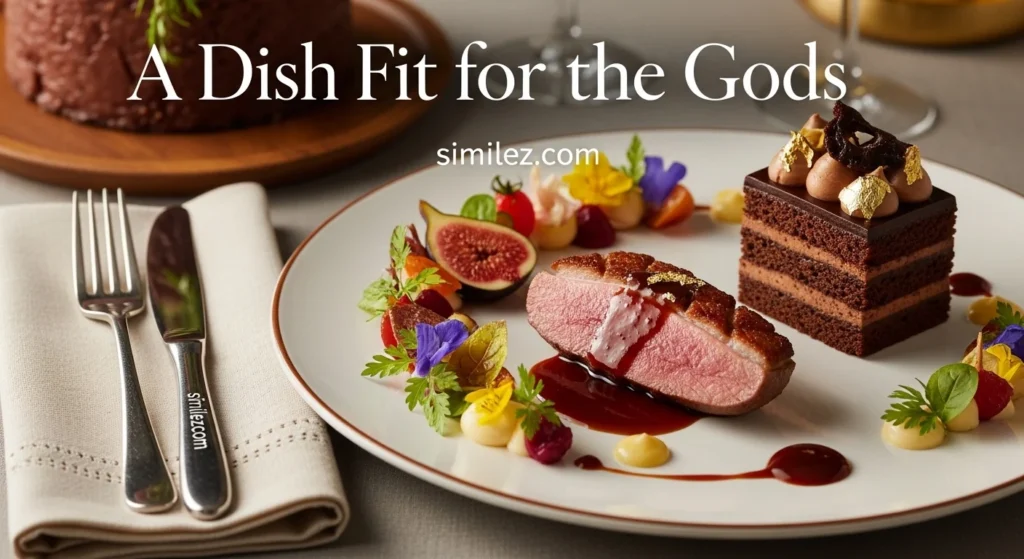
Food has always been more than survival. Across civilizations, people have described unforgettable meals as heavenly, divine, luxurious, or worthy of royalty. The phrase a dish fit for the gods captures the idea of food so exceptional that it feels beyond ordinary human experience. It reflects rich flavor, artistic presentation, cultural importance, and emotional satisfaction all at once.
From ancient feasts in Greece and Rome to modern fine dining, humanity has consistently celebrated meals that inspire awe. Whether it is a perfectly prepared steak, a fragrant biryani, handmade pasta, delicate sushi, or a decadent dessert, certain foods create memorable experiences that connect people, traditions, and emotions.
This article explores the meaning behind divine cuisine, its cultural roots, famous examples, culinary techniques, health perspectives, and the role extraordinary food plays in everyday life.
What Does “A Dish Fit for the Gods” Mean?
The phrase refers to a meal of exceptional quality, taste, and presentation. It suggests that the food is so delicious and refined that even mythical beings would enjoy it.
In modern language, people often use similar expressions such as:
- Heavenly meal
- Gourmet masterpiece
- Royal feast
- Luxurious cuisine
- Divine flavors
- Culinary perfection
- Exquisite delicacy
- Premium dining experience
The expression is both literal and symbolic. It can describe:
- Expensive fine dining
- Traditional cultural dishes
- Comfort foods with emotional value
- Artistic culinary creations
- Rare or luxurious ingredients
At its core, the phrase celebrates food that creates deep pleasure and lasting memories.
The Historical Origins of Divine Cuisine
Ancient Greek and Roman Feasts
In ancient mythology, gods were believed to consume magical food and drink.
Greek myths described:
- Ambrosia as the food of immortality
- Nectar as the divine beverage of Olympus
Royal banquets often attempted to imitate these heavenly feasts using:
- Roasted meats
- Honey-based desserts
- Exotic spices
- Imported wines
Medieval Royal Banquets
During medieval times, kings and nobles showcased wealth through extravagant meals.
Common banquet features included:
- Multi-course dining
- Decorative food displays
- Rare spices from Asia
- Roasted game meats
- Sweet pastries and custards
These meals symbolized power, prestige, and abundance.
Renaissance Culinary Art
The Renaissance transformed cooking into a respected art form. Chefs began focusing on:
- Presentation
- Balance of flavor
- Texture combinations
- Sophisticated sauces
This period laid the foundation for modern gourmet cuisine.
Characteristics of an Extraordinary Meal
Not every delicious meal earns legendary status. Truly remarkable cuisine often shares several defining qualities.
CharacteristicDescriptionFlavor BalanceSweet, salty, sour, bitter, and umami work harmoniouslyPresentationVisually appealing plating enhances appetiteFresh IngredientsHigh-quality produce and proteins improve tasteAromaFragrance influences flavor perceptionTextureContrast between crispy, creamy, tender, or crunchy elementsCreativityUnique combinations make dishes memorableEmotional ConnectionFood tied to nostalgia or celebration feels special
A truly memorable dining experience engages all the senses.
Famous Foods Often Considered Heavenly
Different cultures have their own iconic dishes celebrated for extraordinary flavor and craftsmanship.
Italian Cuisine
Italy is famous for:
- Handmade pasta
- Wood-fired pizza
- Truffle risotto
- Tiramisu
Italian food emphasizes simplicity and fresh ingredients.
Japanese Cuisine
Japanese culinary traditions value precision and balance.
Popular gourmet examples include:
- Sushi omakase
- Wagyu beef
- Ramen with slow-cooked broth
- Kaiseki dining
French Haute Cuisine
French fine dining is known for:
- Rich sauces
- Delicate pastries
- Elegant plating
- Advanced culinary techniques
Classic examples include:
- Coq au vin
- Beef bourguignon
- Crème brûlée
South Asian Delicacies
South Asian cuisine delivers bold spices and layered flavors.
Celebrated dishes include:
- Biryani
- Butter chicken
- Nihari
- Kebabs
- Gulab jamun
These meals often combine aroma, spice, and texture in unforgettable ways.
Why Humans Associate Great Food With Divinity
Food has deep emotional and psychological importance.
Sensory Pleasure
Rich flavors stimulate dopamine release in the brain, creating feelings of happiness and satisfaction.
Cultural Rituals
Special meals are linked to:
- Weddings
- Religious celebrations
- Family gatherings
- Festivals
- National holidays
These moments strengthen emotional connections.
Symbol of Abundance
Historically, luxurious food represented prosperity and success.
Rare ingredients such as:
- Saffron
- Truffles
- Caviar
- Premium meats
- Exotic fruits
were associated with wealth and privilege.
Shared Human Experience
Great meals create social bonding. Eating together promotes:
- Conversation
- Community
- Hospitality
- Emotional intimacy
The Role of Ingredients in Exceptional Cuisine
High-quality ingredients form the foundation of extraordinary cooking.
Fresh Produce
Fresh vegetables and fruits offer:
- Better flavor
- Enhanced nutrition
- Natural sweetness
- Improved texture
Premium Proteins
Well-sourced meat, seafood, and plant proteins elevate taste and tenderness.
Herbs and Spices
Spices add complexity and depth.
Examples include:
- Cardamom
- Cinnamon
- Black pepper
- Rosemary
- Basil
- Saffron
Cooking Fats
Butter, olive oil, and clarified butter improve richness and mouthfeel.
Specialty Ingredients
Luxury foods often feature:
- Truffles
- Aged cheese
- Wagyu beef
- Fine chocolate
- Rare seafood
These ingredients contribute exclusivity and sophistication.
Culinary Techniques That Transform Ordinary Food
Great chefs understand that technique matters as much as ingredients.
Slow Cooking
Slow cooking develops:
- Deeper flavor
- Tender texture
- Rich aroma
Examples:
- Stews
- Braised meats
- Bone broth
Fermentation
Fermented foods add complexity and umami.
Popular examples:
- Kimchi
- Soy sauce
- Yogurt
- Cheese
Grilling and Roasting
These methods enhance flavor through caramelization and smoky aromas.
Sous Vide Cooking
Sous vide ensures:
- Precise temperature control
- Even cooking
- Maximum tenderness
Artistic Plating
Visual presentation increases anticipation and perceived quality.
The Psychology Behind Memorable Dining Experiences
The environment surrounding a meal affects enjoyment significantly.
Atmosphere Matters
Factors influencing dining satisfaction include:
- Lighting
- Music
- Interior design
- Table presentation
- Service quality
Expectations Shape Taste
Studies show that:
- Expensive-looking food often tastes better to diners
- Attractive presentation increases enjoyment
- Storytelling enhances perceived flavor
Nostalgia and Memory
Foods connected to childhood or family traditions often feel emotionally powerful.
Comfort foods can:
- Reduce stress
- Improve mood
- Trigger positive memories
Traditional Feasts Around the World
Many cultures celebrate important occasions through elaborate meals.
Middle Eastern Feasts
Popular dishes include:
- Lamb platters
- Rice dishes
- Stuffed vegetables
- Sweet pastries
Hospitality is central to these traditions.
Chinese Banquets
Celebratory meals may feature:
- Peking duck
- Dumplings
- Seafood
- Longevity noodles
Each dish often carries symbolic meaning.
Mediterranean Dining
Mediterranean cuisine focuses on:
- Olive oil
- Seafood
- Fresh vegetables
- Herbs
- Shared plates
Meals emphasize community and balance.
Pakistani and Indian Celebrations
Festive occasions often include:
- Biryani
- Qorma
- Kebabs
- Naan
- Traditional desserts
These meals highlight spice layering and slow-cooked richness.
Can Everyday Food Feel Luxurious?
Absolutely. Extraordinary meals are not always expensive.
Simple foods become special when prepared with:
- Care
- Creativity
- Fresh ingredients
- Emotional intention
Examples include:
- Homemade soup on a cold day
- Freshly baked bread
- Family barbecue gatherings
- Comfort desserts
- Traditional holiday meals
Luxury often comes from experience rather than price.
Health and Balance in Gourmet Eating
Rich cuisine does not have to conflict with healthy living.
Smart Approaches to Fine Dining
Healthy enjoyment includes:
- Portion control
- Balanced ingredients
- Fresh produce
- Lean proteins
- Moderate indulgence
Nutritional Benefits of Traditional Diets
Many celebrated cuisines offer nutritional advantages.
Cuisine StyleHealth BenefitsMediterraneanHeart-healthy fats and vegetablesJapaneseLean proteins and seafoodSouth AsianAntioxidant-rich spicesNordicWhole grains and fishPlant-Based GourmetFiber and nutrient density
Mindful Eating
Savoring meals slowly improves:
- Digestion
- Satisfaction
- Portion awareness
- Appreciation of flavor
How Social Media Changed Modern Food Culture
Digital platforms transformed how people experience food.
Food Photography
Beautiful images encourage:
- Restaurant discovery
- Culinary trends
- Home cooking inspiration
Viral Food Trends
Popular trends include:
- Fusion cuisine
- Artisan desserts
- Gourmet street food
- Luxury coffee culture
Influencer Dining Culture
Food influencers shape:
- Restaurant popularity
- Consumer preferences
- Culinary tourism
Global Accessibility
People now explore international dishes more easily through:
- Online recipes
- Cooking videos
- Food blogs
- Delivery apps
Creating a Restaurant-Worthy Meal at Home
You do not need professional training to create memorable dining experiences.
Essential Tips
Use Fresh Ingredients
Fresh herbs, vegetables, and proteins dramatically improve results.
Focus on One Signature Dish
Mastering one excellent recipe creates confidence.
Balance Flavors
Combine:
- Sweetness
- Saltiness
- Acidity
- Richness
Improve Presentation
Simple plating techniques make meals look professional.
Create an Experience
Add:
- Candles
- Music
- Elegant serving dishes
- Thoughtful table settings
The Emotional Power of Sharing Food
Food is deeply connected to relationships and identity.
Sharing meals can:
- Strengthen family bonds
- Build friendships
- Preserve traditions
- Express love and hospitality
- Create lifelong memories
Many people remember meaningful conversations and celebrations through the meals attached to them.
This emotional dimension is one reason extraordinary cuisine feels timeless and universal.
FAQs
1. What does “a dish fit for the gods” actually mean?
It refers to food of exceptional quality, taste, or beauty that feels luxurious, heavenly, or unforgettable.
2. Is gourmet food always expensive?
No. Simple homemade meals can feel extraordinary when prepared with skill, fresh ingredients, and care.
3. Which cuisines are most associated with luxury dining?
French, Japanese, Italian, and Middle Eastern cuisines are often linked with fine dining traditions, though every culture has special celebratory foods.
4. Why does presentation matter in food?
Visual appeal influences perception, appetite, and overall dining satisfaction.
5. Can healthy food also taste luxurious?
Yes. Fresh ingredients, balanced seasoning, and thoughtful preparation can make nutritious meals highly satisfying.
6. What ingredients are commonly considered premium?
Examples include truffles, saffron, caviar, Wagyu beef, aged cheese, and fine chocolate.
7. Why do people emotionally connect with food?
Meals are tied to memories, celebrations, culture, and family traditions, creating strong emotional associations.
8. How can I make everyday meals feel more special?
Use fresh ingredients, improve presentation, cook mindfully, and create a relaxing dining atmosphere.
Conclusion
The idea of a dish fit for the gods goes far beyond luxury dining or expensive ingredients. It represents the universal human desire for beauty, comfort, celebration, and connection through food. Across cultures and throughout history, extraordinary meals have symbolized joy, abundance, creativity, and hospitality.
Whether enjoyed in a Michelin-starred restaurant, at a festive family gathering, or in a simple homemade dinner prepared with care, remarkable food has the power to inspire emotion and create lasting memories. Great cuisine combines flavor, artistry, culture, and human connection into a single experience.
In the end, the most unforgettable meals are not always the rarest or most costly—they are the ones that bring people together and make ordinary moments feel extraordinary.