
Food is more than fuel—it’s an experience. When words struggle to capture how delicious something tastes, similes for tasty food step in to do the heavy lifting. In this guide, you’ll explore powerful, sensory-rich similes that help readers see, feel, and almost taste the food being described
A simile is a figure of speech that compares two different things using words like“as” or “like.”In figurative language, similes help writers explain abstract feelings—like taste—by connecting them to familiar experiences. Because taste is deeply personal and sensory, similes are especially effective in food writing, storytelling, poetry, daily speech, and even academic or descriptive essays.
Below are 18 carefully explained similes for tasty food, each with meaning, tone, best usage context, and at least 5 original example sentences, including everyday and casual texting uses where helpful.
As Sweet as Honey
Meaning: Describes food that is richly, pleasantly sweet. Emotional Tone: Warm, comforting, affectionate. Best Usage: Poetry, storytelling, food reviews, daily speech.
Examples:
- The dessert was as sweet as honey, melting on my tongue.
- Her homemade cookies tasted as sweet as honey after dinner.
- The mangoes were as sweet as honey in the summer heat.
- His voice softened when he talked about the cake, as sweet as honey.
- Texting: “This baklava is as sweet as honey 😍 you’d love it!”
Like a Burst of Sunshine
Meaning: Refers to food that tastes fresh, bright, and uplifting. Emotional Tone: Joyful, energetic, refreshing. Best Usage: Descriptive writing, blogs, storytelling.
Examples:
- The lemon tart tasted like a burst of sunshine.
- That orange juice was like a burst of sunshine in the morning.
- Her cooking brings flavors that feel like a burst of sunshine.
- The salad dressing hit my palate like a burst of sunshine.
- Daily use: “One bite and boom—like a burst of sunshine!”
As Smooth as Silk
Meaning: Describes food with a creamy, velvety texture. Emotional Tone: Luxurious, elegant. Best Usage: Food reviews, fine dining descriptions, poetry.
Examples:
- The chocolate mousse was as smooth as silk.
- His soup flowed as smooth as silk across the spoon.
- The pudding felt as smooth as silk in my mouth.
- That sauce is as smooth as silk—perfectly blended.
- Casual: “This latte is as smooth as silk.”
Like Melted Butter
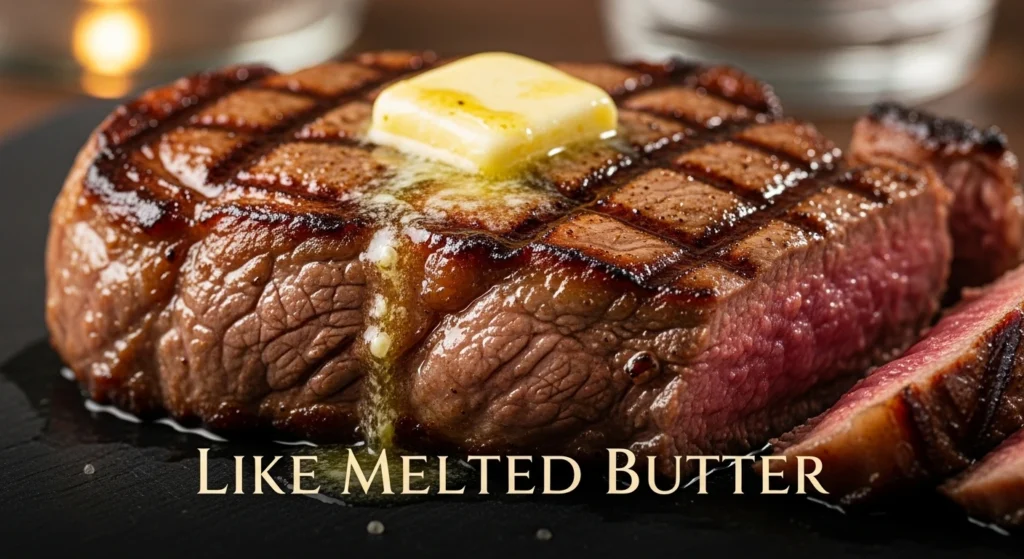
Meaning: Food that is extremely soft, rich, and easy to eat. Emotional Tone: Comforting, indulgent. Best Usage: Storytelling, casual speech.
Examples:
- The steak cut like melted butter.
- Those rolls were soft like melted butter.
- The pastry collapsed like melted butter on my tongue.
- His cooking always feels like melted butter—pure comfort.
- Text: “That chicken? Like melted butter 🤤”
As Rich as Gold
Meaning: Describes deeply flavorful, indulgent food. Emotional Tone: Luxurious, satisfying. Best Usage: Food writing, storytelling.
Examples:
- The curry was as rich as gold.
- Her gravy tasted as rich as gold.
- The chocolate cake was as rich as gold in flavor.
- Every bite felt as rich as gold.
- Daily use: “This sauce is rich as gold—no joke.”
Like a Festival on the Tongue
Meaning: Food with many exciting, layered flavors. Emotional Tone: Playful, joyful. Best Usage: Blogs, creative writing.
Examples:
- The spices danced like a festival on the tongue.
- Each bite felt like a festival on the tongue.
- That street food tastes like a festival on the tongue.
- Her cooking is always a festival on the tongue.
- Casual: “So many flavors—total festival on the tongue!”
As Comforting as a Warm Hug
Meaning: Food that provides emotional comfort. Emotional Tone: Cozy, nostalgic. Best Usage: Storytelling, memoirs.
Examples:
- The soup was as comforting as a warm hug.
- Her cooking feels like a warm hug after a long day.
- That dish was as comforting as a warm hug.
- Grandma’s food is always a warm hug.
- Text: “This soup = warm hug 🥣”
Like Music to the Taste Buds
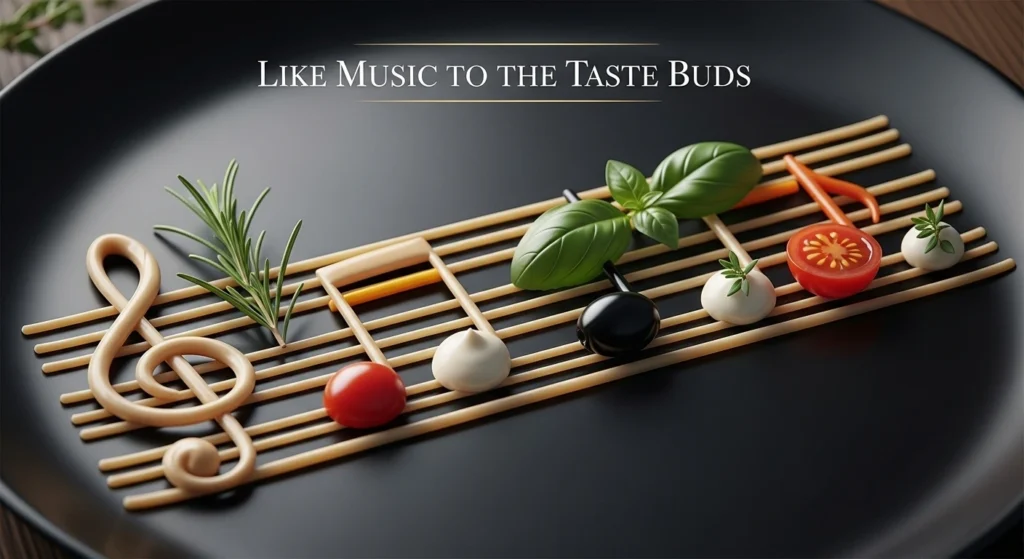
Meaning: Exceptionally enjoyable flavor. Emotional Tone: Expressive, artistic. Best Usage: Creative writing, reviews.
Examples:
- The dessert was like music to the taste buds.
- Each bite played like music to the taste buds.
- His cooking is music to the taste buds.
- That sauce sings like music to the taste buds.
- Daily: “Seriously, music to my taste buds!”
As Fresh as Morning Dew
Meaning: Clean, light, natural flavor. Emotional Tone: Pure, refreshing. Best Usage: Nature writing, food blogs.
Examples:
- The salad tasted as fresh as morning dew.
- Those herbs were as fresh as morning dew.
- The fruit felt as fresh as morning dew.
- Every bite was fresh as morning dew.
- Casual: “So fresh—like morning dew.”
Like a Sweet Dream
Meaning: Food that feels indulgent and unforgettable. Emotional Tone: Dreamy, emotional. Best Usage: Poetry, storytelling.
Examples:
- That dessert was like a sweet dream.
- The cake tasted like a sweet dream.
- Her baking always feels like a sweet dream.
- One bite and it was a sweet dream.
- Text: “This tiramisu = sweet dream 😌”
As Flavorful as a Spice Market
Meaning: Bold, aromatic, complex taste. Emotional Tone: Adventurous. Best Usage: Cultural food writing.
Examples:
- The dish was as flavorful as a spice market.
- His curry smelled like a spice market.
- Each bite was as flavorful as a spice market.
- The kitchen felt like a spice market.
- Casual: “So many spices—total spice market vibes.”
Like Velvet on the Tongue
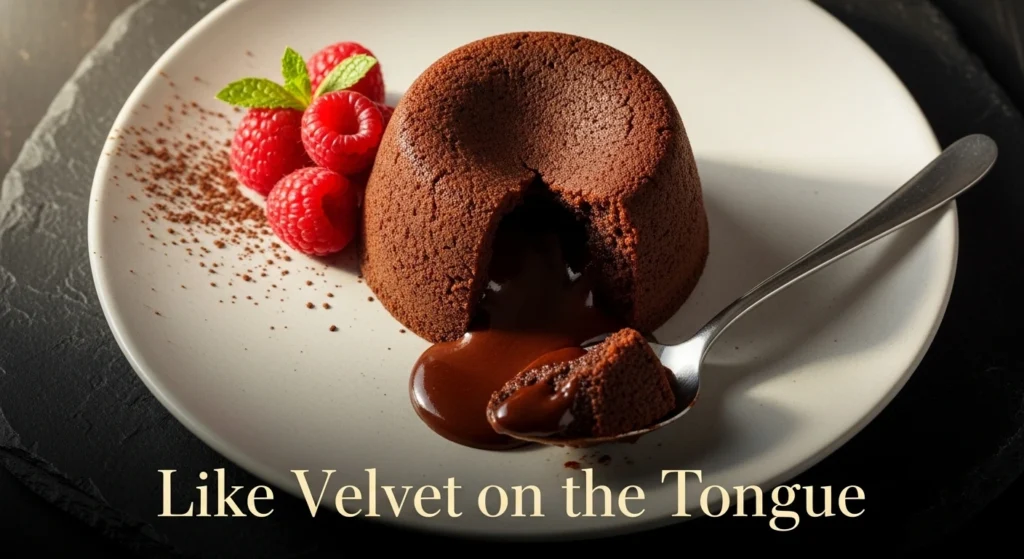
Meaning: Ultra-smooth and refined taste. Emotional Tone: Elegant, soft. Best Usage: Fine dining descriptions.
Examples:
- The sauce felt like velvet on the tongue.
- That soup tasted like velvet on the tongue.
- The cream slid like velvet on the tongue.
- Her cooking is velvet on the tongue.
- Daily: “This is velvet-level smooth.”
As Addictive as Chocolate
Meaning: Food that makes you crave more. Emotional Tone: Playful, indulgent. Best Usage: Casual writing, blogs.
Examples:
- The fries were as addictive as chocolate.
- That sauce is addictive as chocolate.
- Her snacks are addictive as chocolate.
- One bite and I wanted more.
- Text: “Warning: addictive as chocolate 🍫”
Like Fireworks in the Mouth
Meaning: Explosive, exciting flavor. Emotional Tone: Energetic, bold. Best Usage: Creative food descriptions.
Examples:
- The spices exploded like fireworks in the mouth.
- That salsa tasted like fireworks in the mouth.
- Each bite was fireworks in the mouth.
- His cooking always pops like fireworks.
- Casual: “Fireworks in my mouth 🔥”
As Soft as a Cloud
Meaning: Extremely light and airy texture. Emotional Tone: Gentle, pleasant. Best Usage: Dessert descriptions.
Examples:
- The cake was as soft as a cloud.
- Those pancakes felt like clouds.
- The bread was soft as a cloud.
- One bite and it vanished.
- Daily: “Cloud-soft cake!”
Like Home on a Plate

Meaning: Food that feels familiar and emotional. Emotional Tone: Nostalgic. Best Usage: Storytelling, personal essays.
Examples:
- That meal felt like home on a plate.
- Her cooking is home on a plate.
- One bite took me home.
- The flavors felt familiar.
- Text: “This food = home ❤️”
As Balanced as a Perfect Song
Meaning: Harmonious blend of flavors. Emotional Tone: Calm, refined. Best Usage: Reviews, academic descriptions.
Examples:
- The dish was as balanced as a perfect song.
- No flavor overpowered another.
- The meal felt carefully composed.
- Every ingredient played its part.
- Daily: “Perfect balance—like a song.”
Like Love at First Bite
Meaning: Instant, powerful enjoyment. Emotional Tone: Romantic, emotional. Best Usage: Blogs, storytelling.
Examples:
- That burger was love at first bite.
- I knew instantly—it was love.
- One bite and I was hooked.
- Her dessert was love at first bite.
- Text: “LOVE at first bite 😍”
Conclusion
Using similes for tasty food transforms ordinary descriptions into vivid, emotional experiences. Whether you’re writing poetry, storytelling, essays, blogs, or just texting a friend about dinner, the right simile brings flavor to language itself. Creative comparisons don’t just describe taste—they invite readers to feel it. Keep experimenting, stay expressive, and let your words be as delicious as the food you love to describe